Home / Articles / Materials and care
Velvet, linen, suede or leather: pros and cons of each sofa upholstery
By Lucy Home. Published 14/11/2026, updated 14/11/2026.
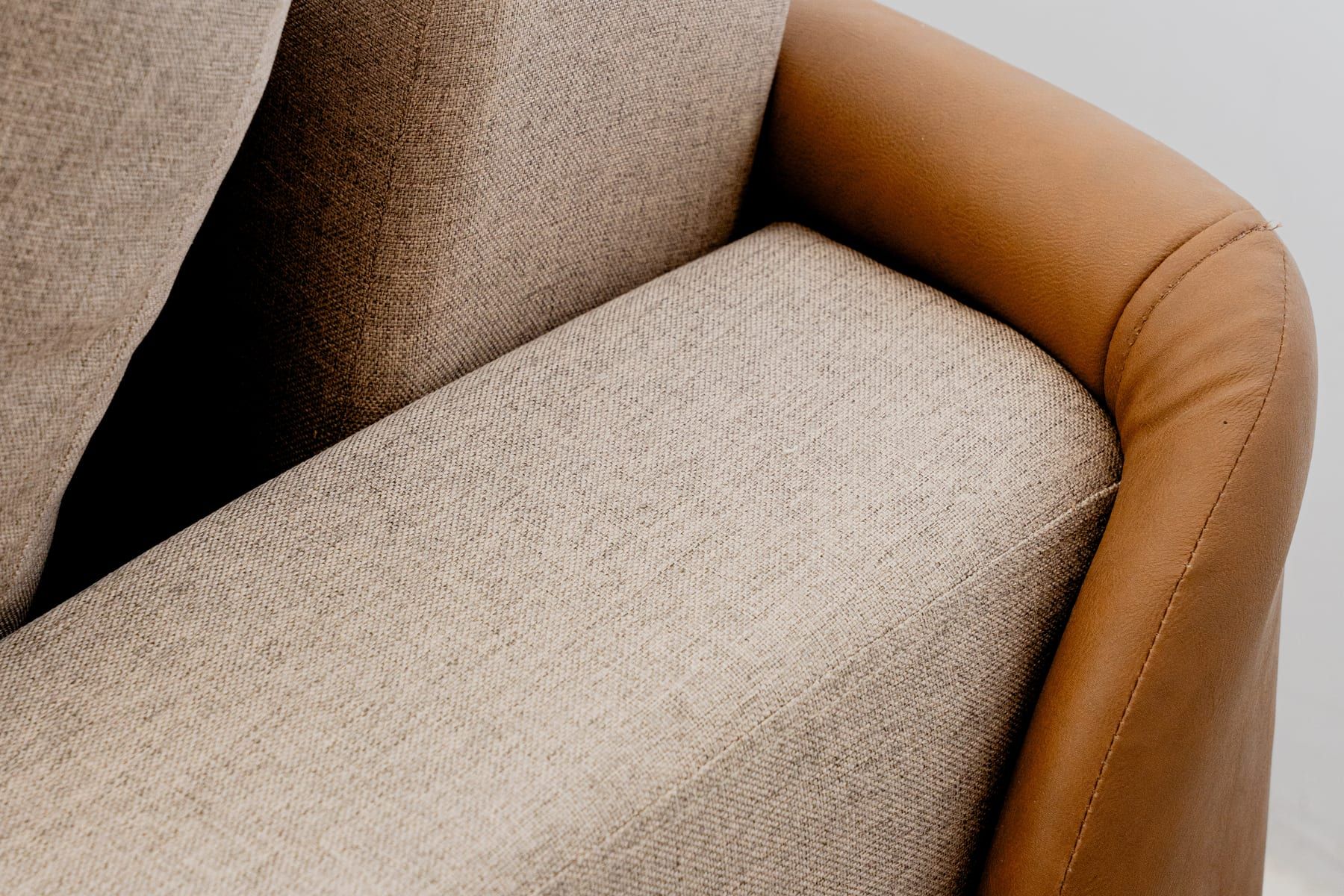
There is no best upholstery, only the one that suits your home. According to the guides I read, natural leather is highly durable and easy to clean; linen does well in warm rooms but snags and holds on to pet hair; suede is soft and does not snag easily but absorbs liquids and stains; and velvet is comfortable to the touch, though it runs warm and holds dust and hair. I always say you choose fabric with your hand and with the light of your own living room, so use this guide to walk into the showroom knowing what to ask.
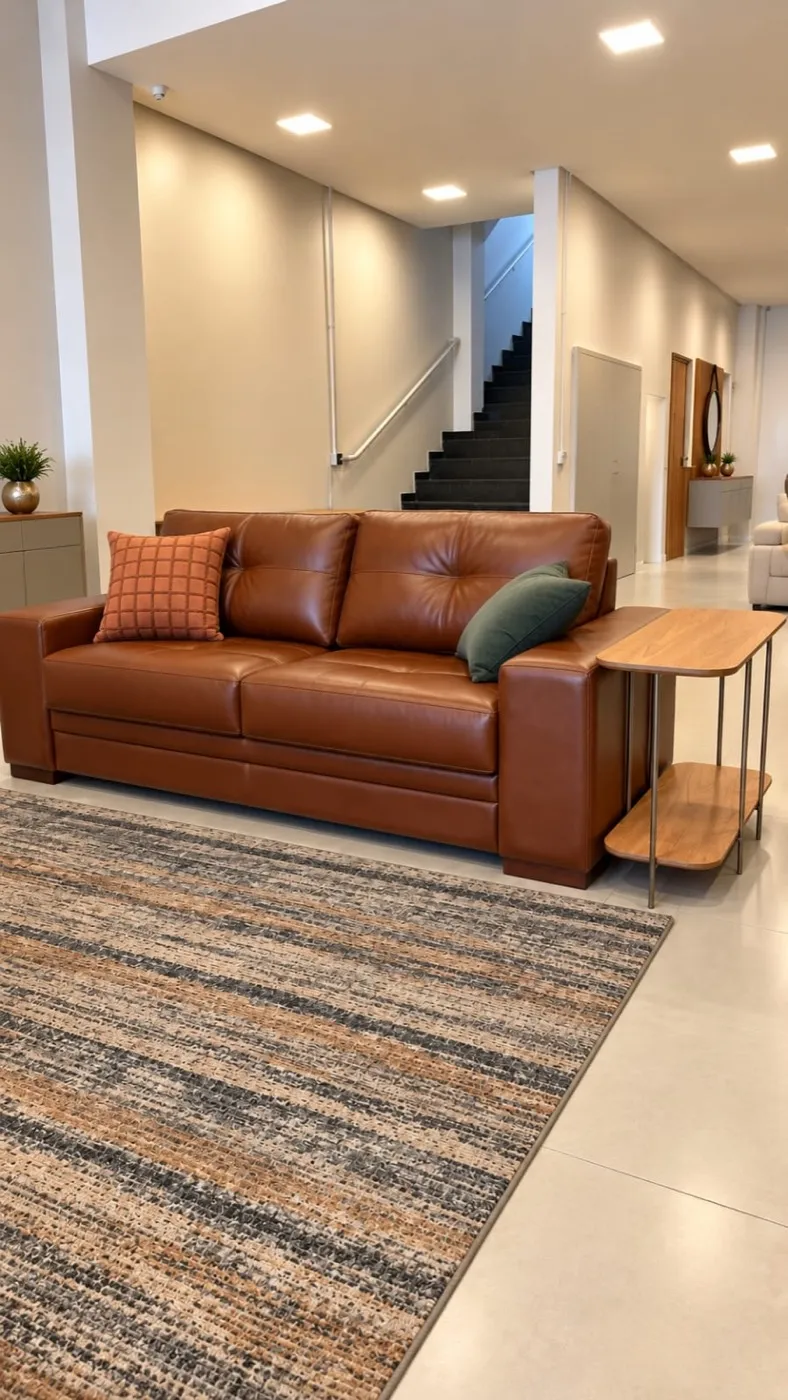
Fixed leather sofa in a presentation image (not a showroom photo).
What is the difference between velvet, linen, suede and leather?
The sources behind this table are consumer guides, not lab tests. They agree on most points, and I flag where they differ.
| Upholstery | Strong point | Watch out for | In hot weather |
|---|---|---|---|
| Velvet | Comfortable and pleasant to the touch; elegant look | Holds pet hair and dirt and makes stains stand out; needs regular vacuuming | Runs warm |
| Linen | Beautiful finish | Snags easily and holds on to pet hair | Does well in warm rooms |
| Suede | Soft; does not snag easily | Absorbs liquids and stains; can look darker over the years | Warms up, but only a little in moderate heat |
| Natural leather | Highly durable; easy to clean | Can get warm in hot regions, according to one of the sources | The sources differ |
Velvet: who is it for?
Velvet is the fabric for people who want coziness. Ekonomista highlights its comfortable texture and elegant result, and the Audaces blog says modern velvet is resistant and easy to care for, despite its delicate look.
The catch is what it holds on to. Buscapé notes that velvet picks up hair and dirt easily and makes stains stand out, and Audaces recommends regular vacuuming because the pile traps dust and hair. As for temperature, Buscapé recommends it for cold regions, and Promobit says it heats up quite a lot. In decorating terms, velvet looks gorgeous in a deep color, such as green, blue or terracotta, in a softly lit room.
Linen: who is it for?
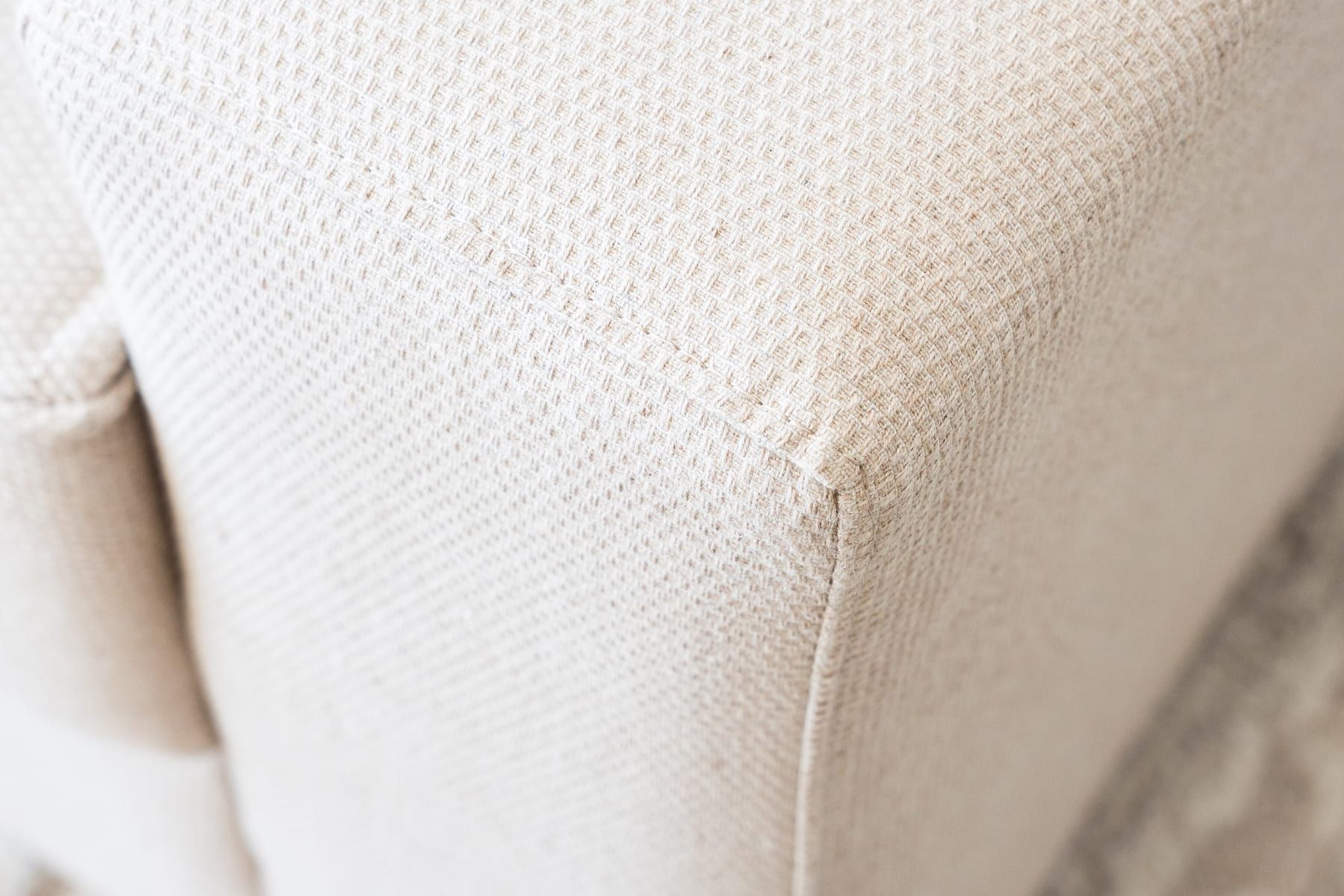
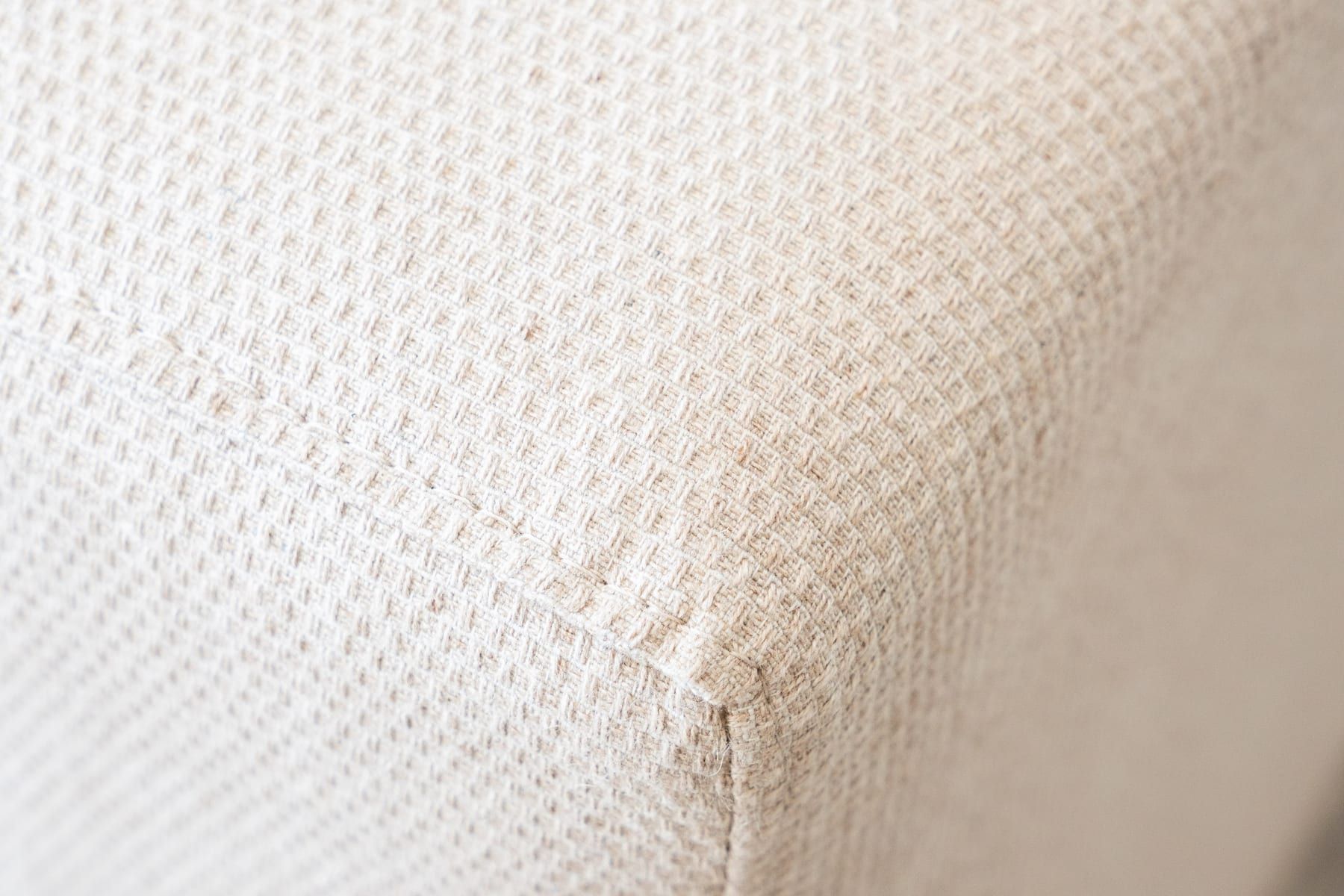
Linen has beach house written all over it: light, with that weave you can see. Ekonomista and Promobit both say it is great for warmer rooms. The price of that lightness is that it is delicate: according to Buscapé, linen snags easily and holds on to a lot of pet hair, and Ekonomista advises against it for homes with pets for the same reason.
If you love the look of linen and share your home with animals, read the guide on sofas for homes with dogs and cats before you decide.
Suede: who is it for?
Suede is the soft-touch fabric you see in a lot of TV rooms. Buscapé highlights its comfort, its softness and the fact that it does not snag easily, which is why it considers suede a good option for pet owners. Ekonomista mentions good durability.
Its weak spot is liquid. Buscapé warns that suede absorbs liquids, and Ekonomista says it can stain easily because it is highly absorbent and that, after a few years of use, it can look darker. In a home with small children and a glass of juice in the living room, weigh that up.
Leather: who is it for?
Leather is for people who want a piece that lasts many years. Ekonomista lists high durability and easy cleaning. On heat, the sources differ: Ekonomista says natural leather adapts to hot and cold temperatures, while Promobit urges caution in hot regions because it warms up. The way to settle it is to sit on it.
One detail that protects your purchase: according to CICB, the association of Brazilian tanneries, Brazil’s Law 4,888 of 1965 reserves the word leather for products made from animal hide. Synthetic material is not leather, and it is worth asking in the store which of the two you are looking at. Lucy Home carries a fixed genuine leather sofa, and the guide on leather, synthetic or fabric for the coast explains how each material reacts to humidity.
What should I check on the tag and ask in the store?
- The cleaning code. Ashley, a furniture manufacturer, explains all four: W, water-based cleaner only; S, dry cleaning solvent only; WS or SW, either one, without saturating; X, vacuuming or light brushing only. The tag is under one of the seat cushions or beneath the sofa.
- How hard-wearing the fabric is. Audaces recommends checking the Martindale rating, which indicates durability: the higher the number, the more resistant the fabric. Ask whether the manufacturer provides it.
- The composition. Ask for the exact name of the fabric and what it is made of.
After you buy, the guide on how to care for leather and fabric sofas walks you through it step by step.
How do I decide in five questions?
- Do you have a dog, a cat or small children? Linen and velvet need extra care.
- Is the room warm, and you do not run the air conditioning all day? Velvet heats up quite a lot, according to Promobit.
- Do you eat and drink on the sofa? Suede absorbs liquids.
- Do you want a piece for many years that is easy to clean? Look at leather.
- Does the sun hit the sofa? Ask the team for guidance on the upholstery you chose.
Come and feel it for yourself
At Lucy Home, a made-to-order sofa lets you customize color and fabric, as well as size, arm and module, and there are also pieces ready for delivery. The fabric options available are something to check with the team: message us on WhatsApp or come to the showroom, at Av. Presidente Kennedy, 3870, Aviação, Praia Grande, and sit on each upholstery before you choose. You can also browse the store’s sofas.
Frequently asked questions
What is the best sofa upholstery: velvet, linen, suede or leather?
It depends on how you live. According to the guides I read, natural leather is highly durable and easy to clean; linen does well in warm rooms but snags and holds on to pet hair; suede is soft and does not snag easily but absorbs liquids; velvet is comfortable to the touch but runs warm and holds dust and hair.
Is a velvet sofa hot?
According to the consumer guides I consulted, yes: Buscapé says velvet can be a little warm and recommends it for cold regions, and Promobit says it heats up quite a lot. In a beach town, it is worth sitting on the fabric in the showroom before you decide.
Does suede stain easily?
That is the weak spot of suede. Buscapé says it absorbs liquids and needs extra care, and Ekonomista notes that it can stain easily because it is highly absorbent and that, after a few years, it can look darker from use.
Is linen a good choice if I have a dog or a cat?
It is not the most practical one. Buscapé says linen snags easily and holds on to a lot of pet hair, and Ekonomista says the same about the hair. Lucy Home's guide on sofas for homes with dogs and cats compares the options.
How do I know how to clean my sofa fabric?
Read the tag. Ashley, a furniture manufacturer, explains the codes: W, water-based cleaner only; S, dry cleaning solvent only; WS or SW, either one, without saturating; X, vacuuming or light brushing only. The tag is under one of the seat cushions or beneath the sofa.
Sources
- Buscapé (Brazilian price comparison site), guide to the best sofa fabrics (editorial team, updated July 26, 2024)
- Ekonomista (Portugal), guide to types of sofa fabric (Catarina Milheiro, 2023)
- Promobit blog (Brazil), which sofa fabric suits the climate of your region (2022)
- Audaces blog, five types of upholstery fabric (Daniela Ribeiro Cunha, 2026)
- Ashley Furniture Industries (furniture manufacturer), Cleaning Codes (W, S, WS/SW and X)
- CICB (Centre for the Brazilian Tanning Industry), the Leather Law (Law 4,888 of 1965)