Sofas and armchairs that are easy to get up from: seat height, armrests and foam firmness
By Lucy Home. Published 14/11/2026, updated 14/11/2026.

Getting up from the sofa should be as easy as sitting down on it, and for many people it is not. I see it every day in the showroom: someone sits on a deep, low sofa, loves it, and when it is time to stand needs a push, a hand on the knee or someone’s arm. The beautiful sofa becomes the sofa they avoid. The good news is that what makes a seat easy to rise from has been studied, and you can test it in five minutes at the store. This guide is for anyone who spends hours sitting, reads, hosts the family in summer or simply wants a sofa that respects the body.
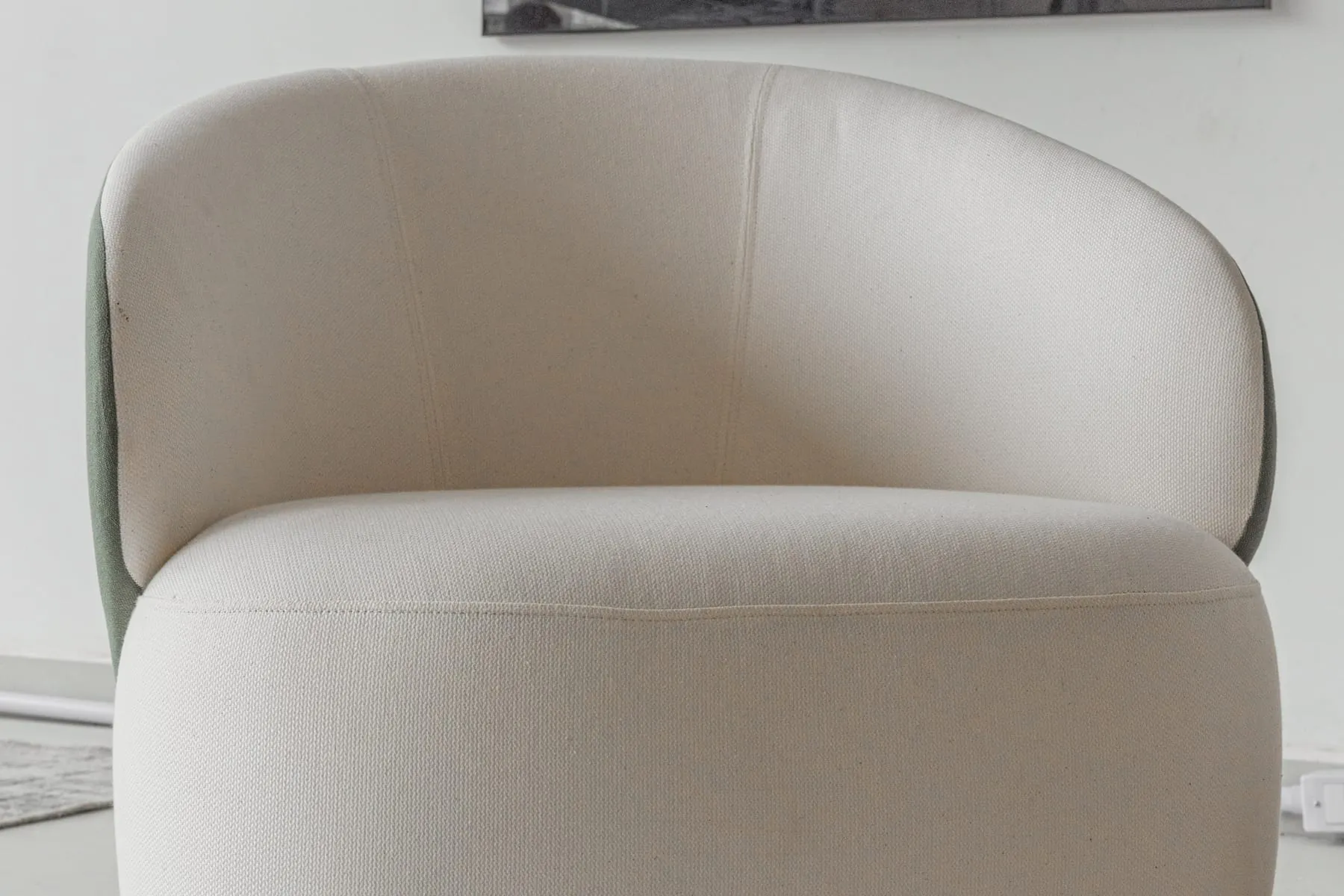
A wraparound-back armchair in the Lucy Home showroom: an armrest at the right height is half the work of standing up.
What research says about standing up from a chair
The reference I use is a review published in the journal Physical Therapy by Janssen, Bussmann and Stam, from the Rotterdam university hospital, which gathered 39 experimental studies on the sit-to-stand movement. The conclusion is direct: three factors have a major influence on the ability to stand up, seat height, the use of armrests and foot position. The review’s figures:
- A higher seat reduced the effort (the joint moment) at the knee by up to 60% and at the hip by up to 50%. A lower seat demanded more momentum or repositioning the feet.
- Using the arms reduced the effort required at the hip by about 50%.
- Feet pulled back, further behind the knee, allowed standing up with much less hip effort than feet placed forward.
I am not a health professional and this text does not replace an assessment. What it does is translate those three variables into the moment of choosing a sofa or an armchair.
Seat height: whole feet on the floor
OSHA, the United States occupational safety agency, describes the reference posture for a chair: the entire sole of the foot resting on the floor, with the back of the knee slightly above the seat. It applies to work chairs, and I use it as a starting point for sofas and armchairs, with one difference: on a sofa we want comfort for staying, and for standing up we want height.
How I test it in the showroom:
- Sit all the way back, with your back against the backrest.
- Rest both feet fully on the floor. If your feet do not reach, the seat is high; if your knees sit well above your hips, it is low.
- Pull your feet back a little, place your hands on the arms and stand, without rocking your body. If you needed momentum, look for a higher or slightly firmer seat.
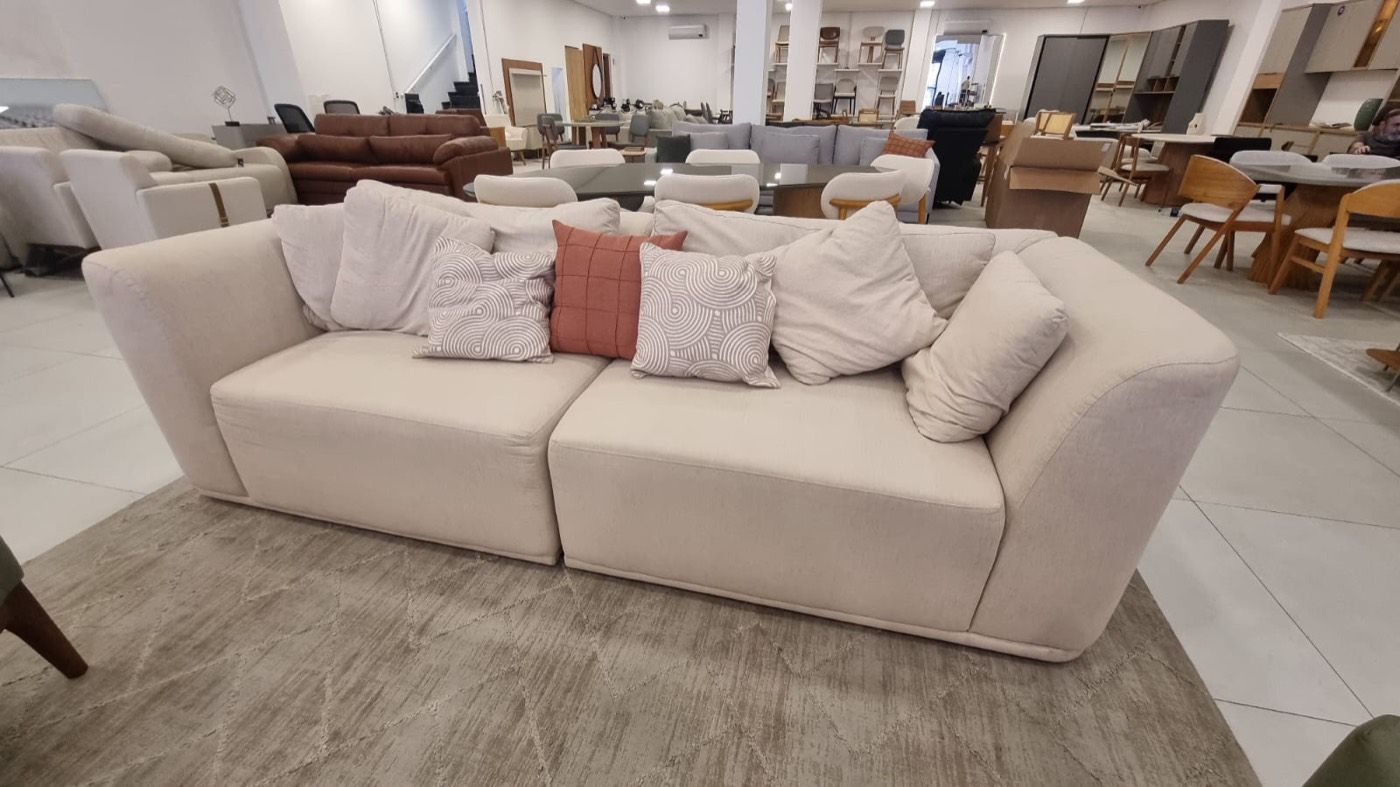
Sofa spec sheets rarely give the seat height, so I measure it at the store with a tape. Models with a shallower seat, such as the fixed leather sofa, with 0.90 m of total depth, tend to keep your feet closer to the floor than very deep sofas, but that is confirmed by sitting, not by reading.
Armrests: where your hand rests on the way up
The review shows how much the arms relieve the hip; OSHA says what they should be like: at the height where they just touch your forearms when your shoulders are relaxed, wide enough to support the forearm and with rounded edges. For standing up, I add: firm. An arm that is too soft sinks when you lean on it and does not help.
This applies to sofas and, above all, to armchairs. The armchairs in the Lucy Home showroom have arms of different heights and widths, some with leather straps, others with the wood frame exposed. The difference between them only shows when you sit and stand, which is why I insist on the test. The guide armchairs for the living room helps you pair one with the sofa, and reading armchair covers the backrest and the light.
Depth and firmness: what the foam does
Two OSHA points about the seat apply here: the depth should let you rest your back without the front edge pressing the back of your knees, and the edge should be rounded. A seat that is too deep forces you to perch on the edge or leave your feet in the air, and both get in the way of standing up.
On foam, the Polyurethane Foam Association explains that firmness is measured by the force needed to compress the foam and that it is independent of density; density is what defines durability. In other words: ask for the density on the spec sheet, such as the D28 and D29 of the Diamond sofa, and choose firmness by sitting. From my observation at the store, not from a source, a seat that sinks a lot increases the distance the body has to rise. The guide sofas and spine health covers the backrest and lumbar support.
Sliding-seat sofas, low sofas and corner sofas
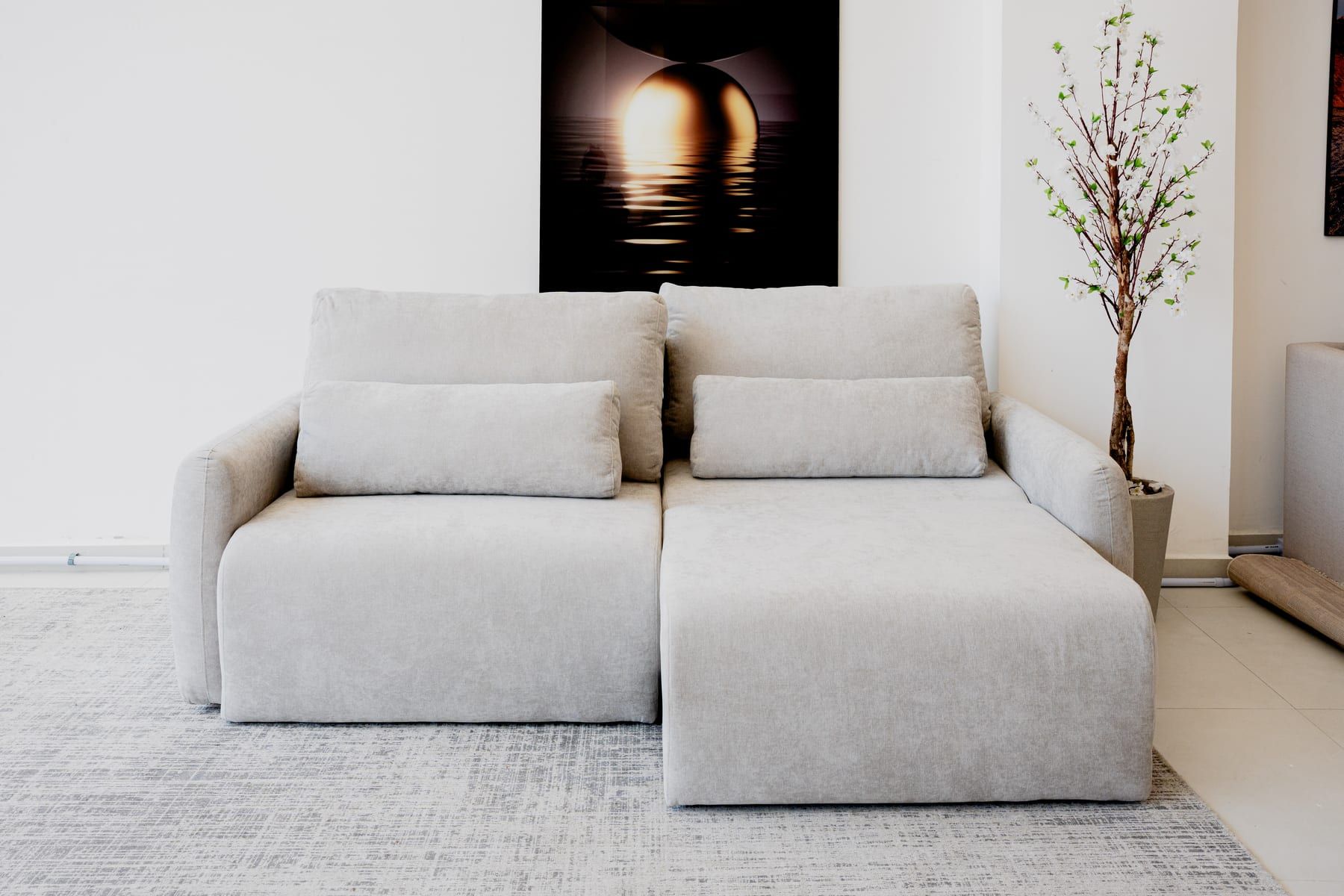
- Sliding seat: with the seat closed, it is a regular sofa. Open, the seat slides forward, your legs stretch out and your feet leave the floor. Great for a movie, different when it is time to get up. Test both positions. The guide sliding-seat or fixed sofa helps you decide.
- Very low sofas, with lines close to the floor: beautiful in photos, hard to rise from for anyone who needs height. If that is you, prefer taller legs and a firmer seat.
- Corner sofas and chaises: the chaise module has no arm on one side; think about who will sit there. The guide chaise or corner sofa compares them.
Armchair or sofa for someone who sits for hours
For reading, knitting, phone calls and television, an armchair with firm arms and a seat at the right height usually serves better than the end of the sofa, because it has support on both sides. For hosting the family, the sofa remains the center of the room. In most homes I set up, the answer is one and the other: a sofa for the family and an armchair that belongs to the person, in the spot with the best light. If the armchair will sit next to the sofa, check that the seat heights match, so nobody ends up “in the hole” beside the other.
Come sit down and stand up in the showroom
The way to know is to test. The Lucy Home showroom is at Av. Presidente Kennedy, 3870, Aviação, Praia Grande, with sofas and armchairs set up for you to sit, plant your feet, use the arms and stand up as many times as you like. The team knows each piece and measures the seat height on the spot. If you prefer, message us on WhatsApp and tell us what you need; room planning is at no cost. See also the sofas page.
Frequently asked questions
What is the ideal seat height for a sofa?
I found no source that sets a number in centimeters for sofas, so I will not give one. What the review by Janssen, Bussmann and Stam (Physical Therapy, 2002) shows is the direction: a higher seat reduces the effort at the knee by up to 60% and at the hip by up to 50% when standing up. OSHA's posture reference for chairs is the whole sole of the foot on the floor. In the showroom the test is simple: sit, plant your feet and stand without using your hands; if you needed momentum, the seat is low for you.
Is an armchair with arms better for getting up?
According to the same review, using the arms reduced the hip effort in standing up by about 50%. OSHA recommends arms at the height where they just touch your forearms with your shoulders relaxed. That is why I suggest firm arms at hand height, not just decorative ones.
Does firmer foam help you get up?
I found no study linking foam firmness to standing up, so I will not claim it. What the Polyurethane Foam Association explains is that firmness and density are different things: dense soft foam exists. From my experience at the store, a seat that sinks a lot increases the distance you have to rise; but that is observation, not a source. Sit and test.
Is a sliding-seat sofa good for someone who finds it hard to get up?
It depends on how it is used. With the seat closed, it behaves like a regular sofa. With the seat slid forward, your legs are stretched out and your feet leave the floor, and the review cited shows that foot position changes the strategy for standing up. For anyone with this concern, I recommend testing the sofa in both positions in the showroom.
Sources
- Janssen WG, Bussmann HB, Stam HJ. Determinants of the sit-to-stand movement: a review. Physical Therapy, 2002; 82(9): 866-879 (PubMed)
- OSHA (United States occupational safety agency), Computer Workstations eTool: Chairs (seat height, depth, backrest and armrests)
- Polyurethane Foam Association (PFA), Foam Performance: density, firmness and support factor of flexible foam