Interior design styles: how to recognize each one and which furniture fits
By Lucy Home. Published 14/11/2026, updated 14/11/2026.
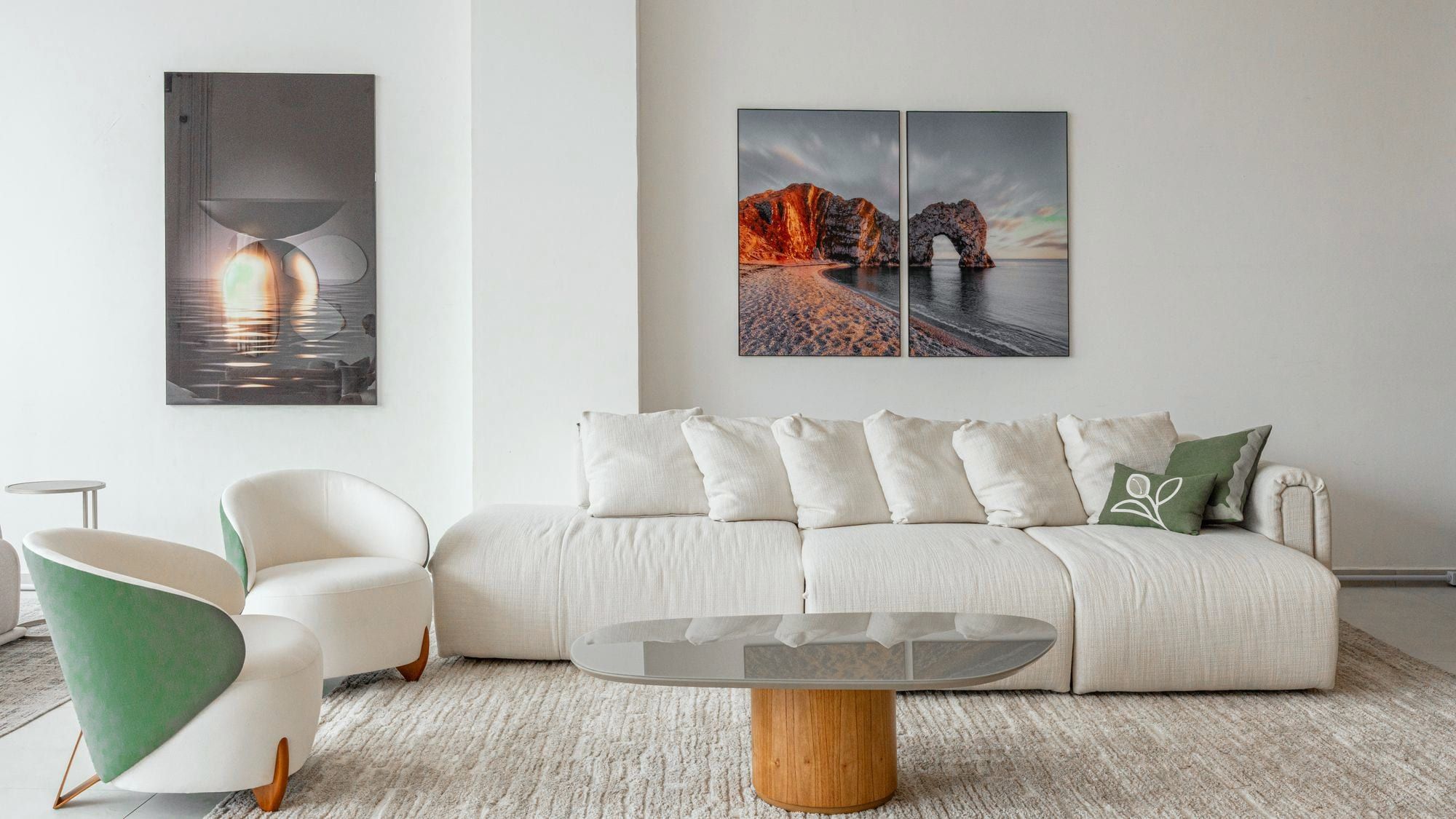
You recognize an interior design style by three things: the color palette, the materials and the shape of the furniture. The most searched today are contemporary, modern, classic, industrial, Scandinavian, Japandi, minimalist, boho and coastal. I use the names as a compass, not as a rule: they help you choose a sofa, a table and an armchair that speak to each other, and avoid the living room in which every piece speaks a different language.
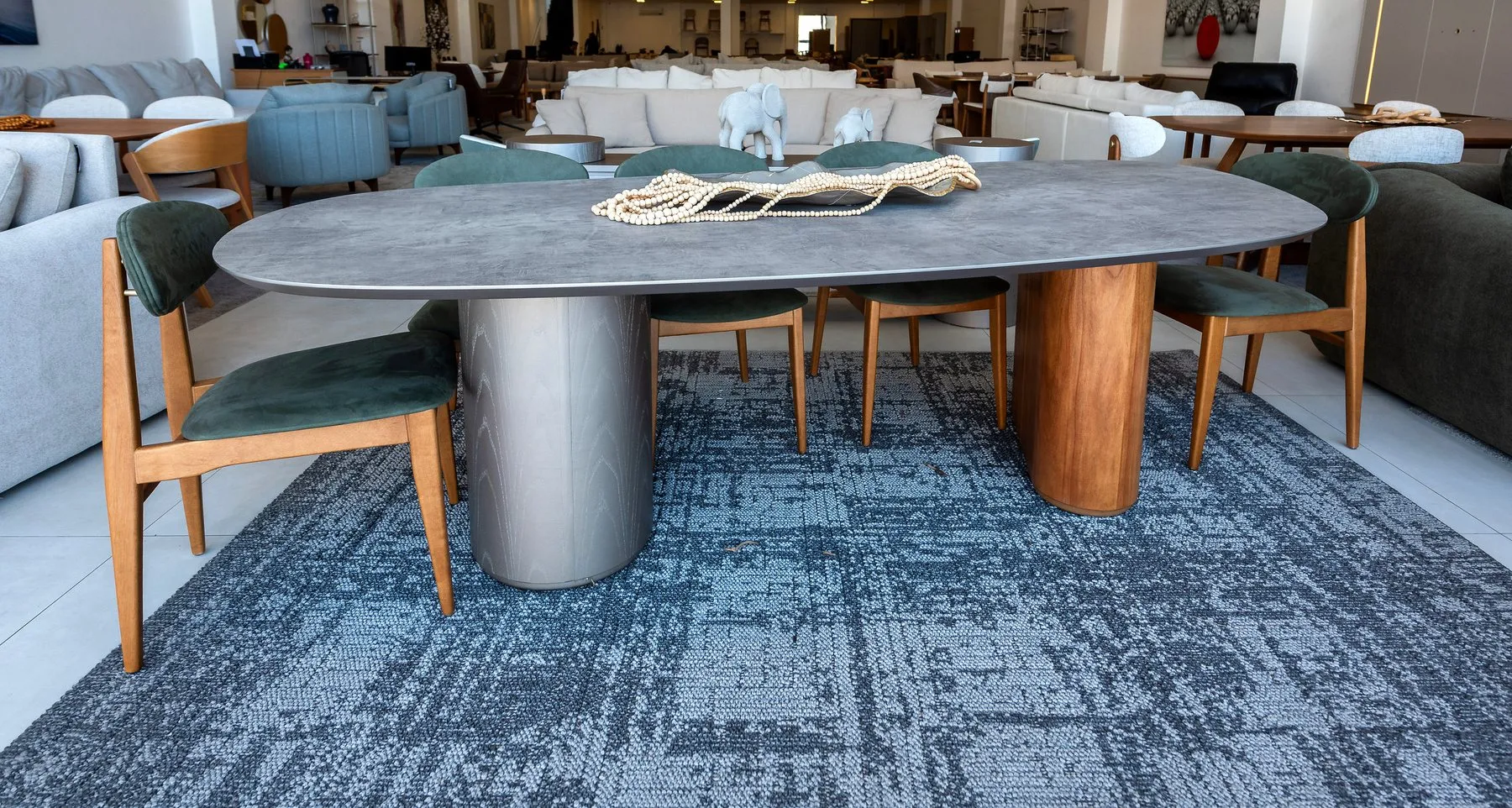
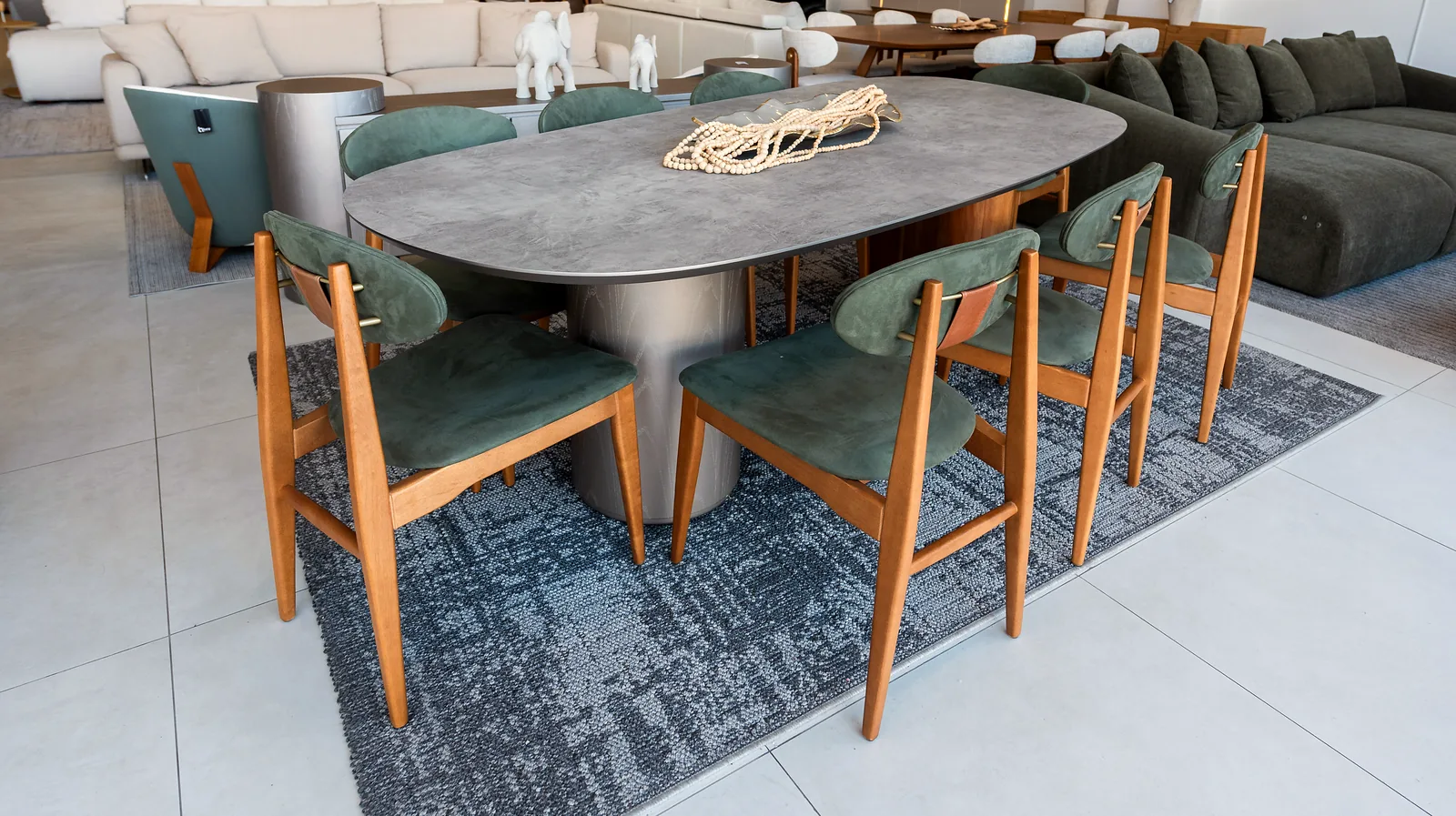
Gray top, cylinder base and wood chairs with green upholstery: clean lines with curve and color, which is what contemporary looks like.
What are the main interior design styles?
The table brings together what the guides from Planner 5D and QuintoAndar describe and what I see in the showroom. The furniture column is my own reading.
| Style | How to recognize it | Furniture that fits |
|---|---|---|
| Contemporary | Clean lines, focus on function, smooth surfaces, a neutral base with one point of color | Modular sofa, organic dining table, TV unit with wall panel, organic mirrors |
| Modern | Straight lines, open spaces, little ornament | Low, straight sofa, rectangular table, wood armchair with upholstery |
| Classic | Symmetry, dark wood, frames and moldings, heavier fabrics | Leather sofa, wood buffet, upholstered chairs, framed mirror |
| Industrial | Exposed structures, such as beams, bricks and pipes; black metal, leather, wood | Leather sofa or armchair, metal frame armchair, wood table |
| Scandinavian | Plenty of natural light, light walls, coziness and function | Light sofa, light wood, light chairs, few objects |
| Japandi | Japanese meets Scandinavian: cozy minimalism, wood and neutral tones | Low furniture, TV unit with slatted front, wood table, organic shapes |
| Minimalist | Less is more: only the essential, nothing in excess | One good sofa, one table, clear surfaces |
| Boho | Handmade pieces, a mix of colors and textures, plants | Sofa with loose cushions, woven rug, an armchair in color |
| Coastal | Light base, wood, natural fibers, touches of blue and green | Light sofa in an easy-care fabric, wood table, woven chairs |
What is the difference between modern and contemporary?
It is the most common confusion. Modern is a period style: Planner 5D describes it by straight lines, open-plan spaces and little ornament, and QuintoAndar recalls that it emerged as a counterpoint to the opulence of classic. Contemporary is what is being done now. It inherits the clean lines and the functional furniture, and accepts what modern did not: curve, texture and a mix of materials.
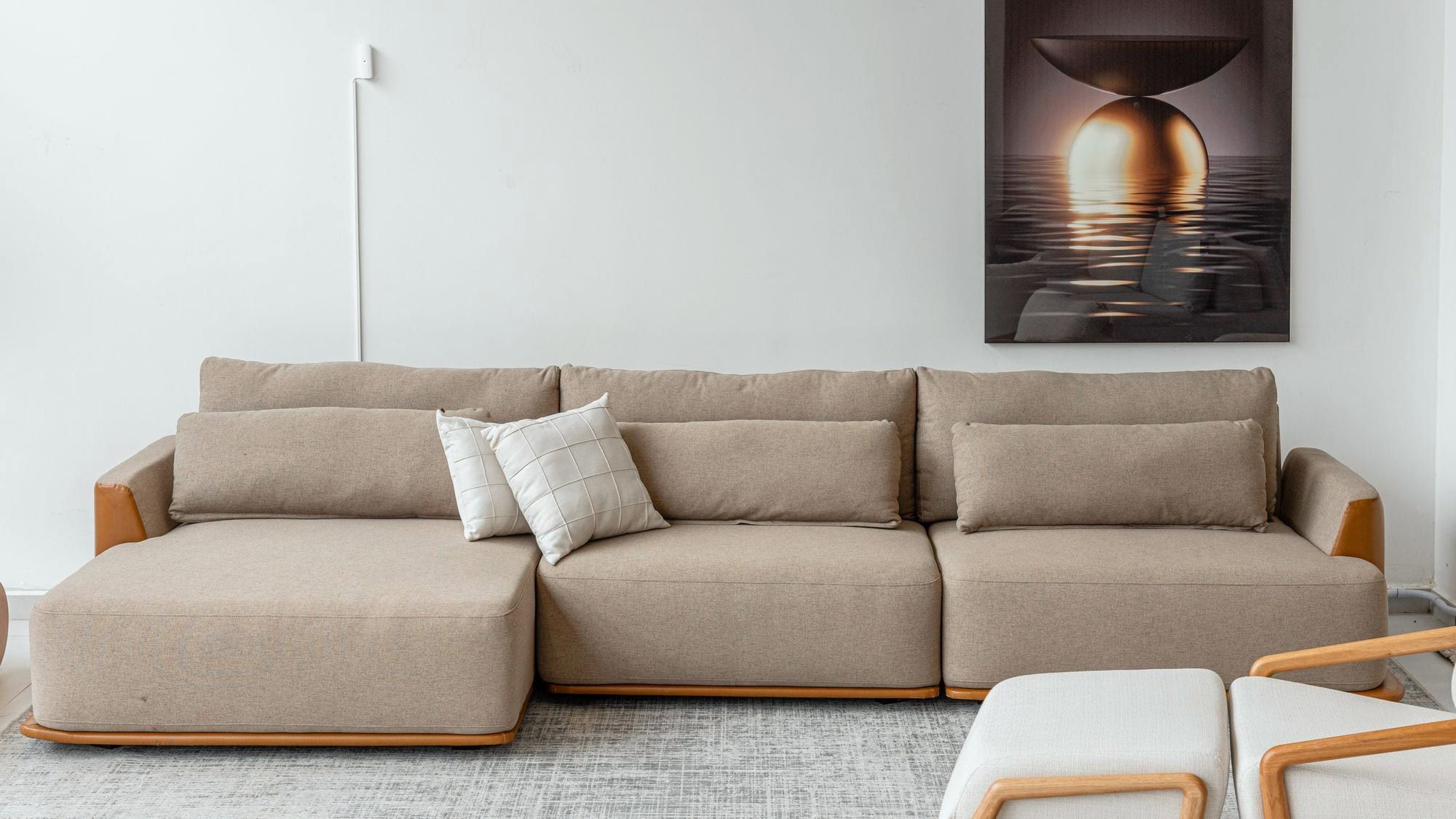
In our showroom, most of what you see is contemporary. The Dolomite sofa and the organic dining table show that mix of clean line and curve well.
How do I find my style?
I ask three questions to anyone who arrives at the showroom without knowing where to start:
- What do you already have and will not replace? The floor, a family piece, a painting. The style starts there.
- Do you like a full room or a clear room? People who like objects, books and plants lean toward boho or classic. People who like empty surfaces lean toward minimalist, Japandi or Scandinavian.
- Warm or fresh? Dark wood, leather and earthy tones warm a room. White, light wood and blue cool it. In the guide to colors in home decor I show how to build the palette.
Saving ten photos of living rooms you like and looking for what repeats also works: it is almost always the sofa color, the wood tone and the amount of things.
Can I mix styles?
Yes, and almost every beautiful home does. My method: one style is the base and gets the large pieces, such as the sofa, the table and the TV unit. The second comes in through one or two smaller pieces. A contemporary room with a leather armchair leans industrial. A classic room with an organic mirror gets lighter. What ties the mix together is color: with a single palette, the styles get along.
Which style suits a beach apartment?
Coastal is the natural path, and it needs neither anchors nor shells. A light base, wood, natural fibers and a touch of blue or green do the job. Scandinavian and Japandi also work very well by the sea, with the same light base and the few objects that make a home easier to clean and to air. The materials that stand up to humidity and salt air are in the guide to beach house decor.
How do I bring the style into the furniture?
- Sofa: it sets the style of the room. Modules and straight lines for contemporary, leather for classic and industrial, light fabric for Scandinavian and coastal. See our sofas.
- Dining table: an organic or round top softens; a rectangular wood top is more formal. See the tables.
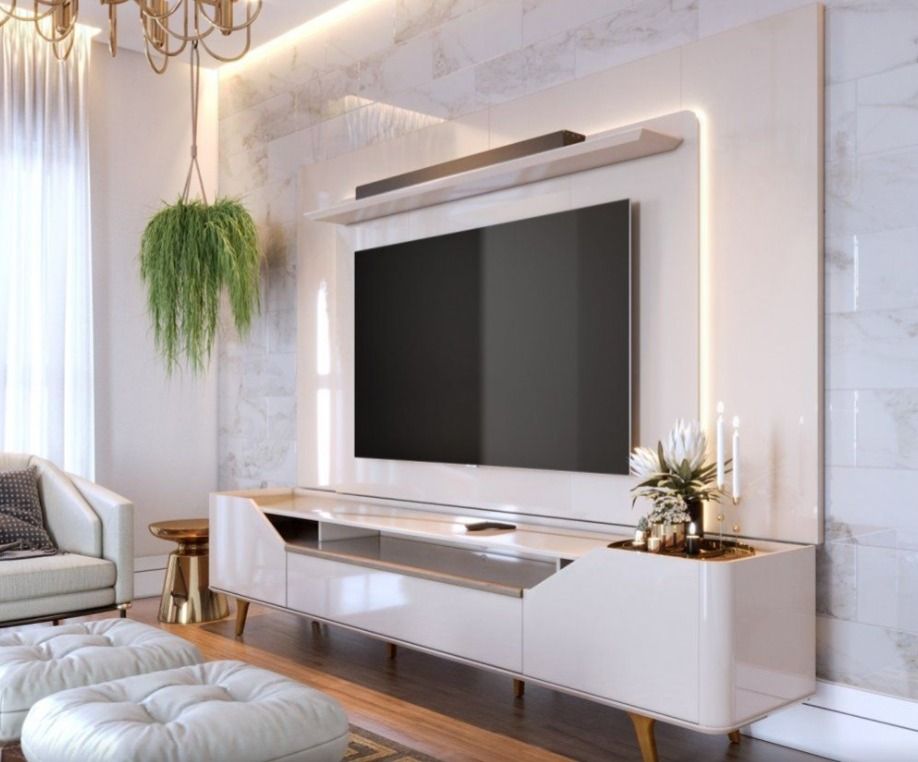
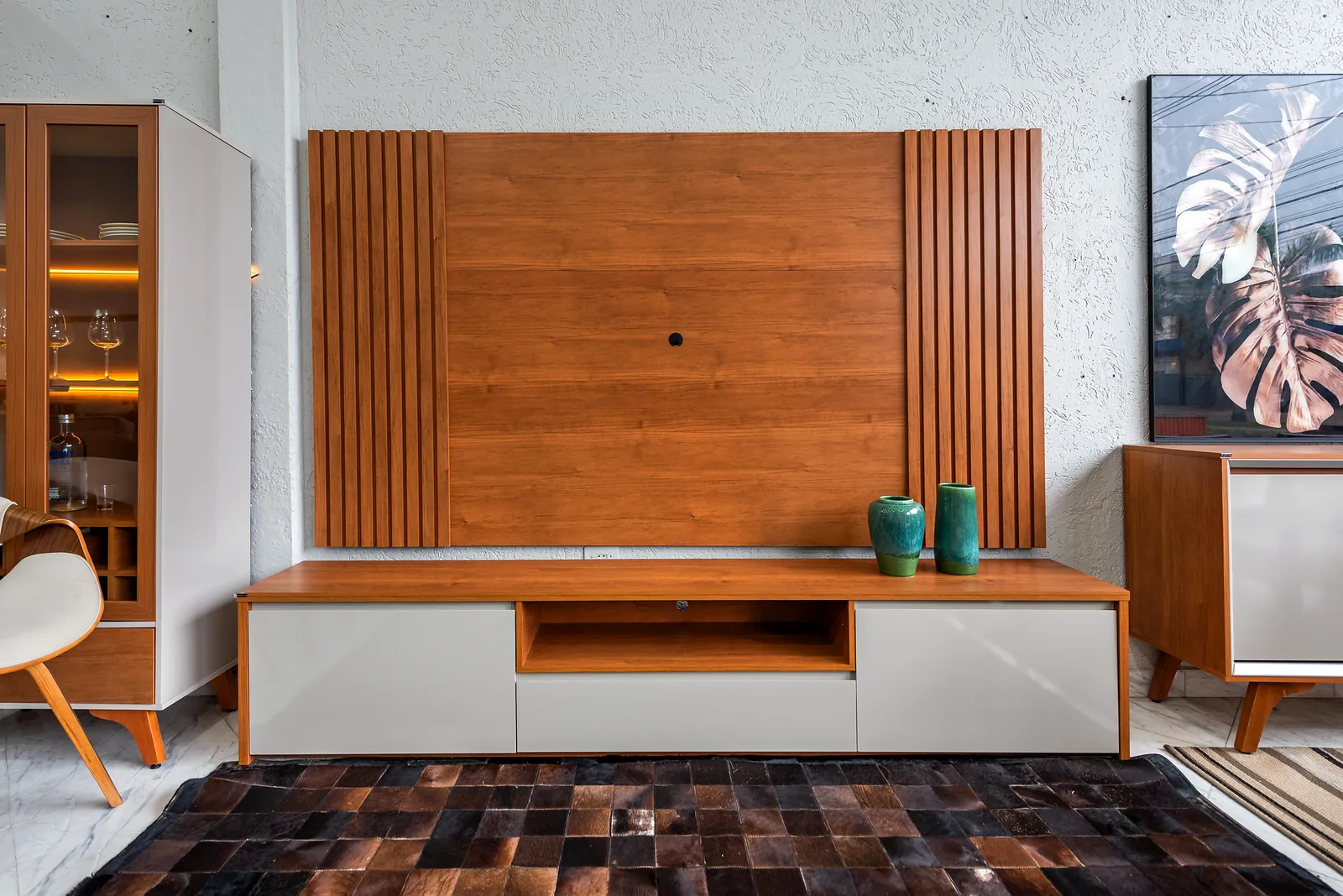
- TV unit and buffet: a slatted wood front warms Japandi and contemporary; a smooth, light front serves minimalist. See the TV units and the buffets and sideboards.
- Light and wall: the same piece changes style with the light and the background color. The guides to living room lighting and wall color complete the picture.
- Details that close the style: the curtains, pictures on the wall, plants in the living room and pots and cachepots give the finishing touch. In a small room, see the small living room guide and, to pick the light, the one on types of light fixtures.
See the styles set up
At Lucy Home, at Avenida Presidente Kennedy, 3870, Aviação, Praia Grande, the furniture is set up in rooms, and you can see in practice the difference between a contemporary living room and a more classic one. Color and fabric are customized when you order, so the same sofa can go to different styles. If you would like help, the team plans the room with you at no cost: message us on WhatsApp, send photos of your living room and tell us which style you like.
Pieces mentioned in this article
- Ask about this model
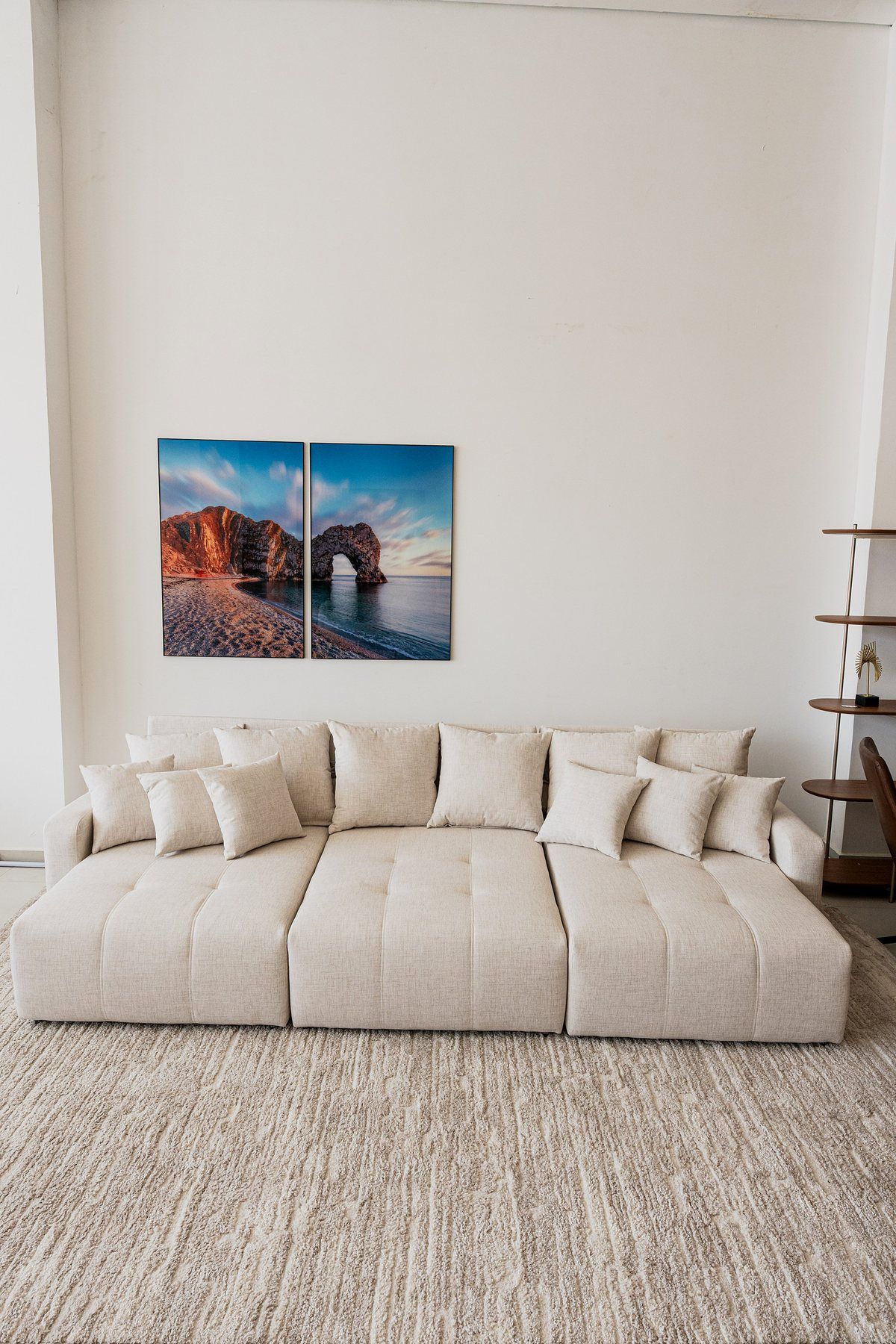
Majestic sofa
- Ask about this model
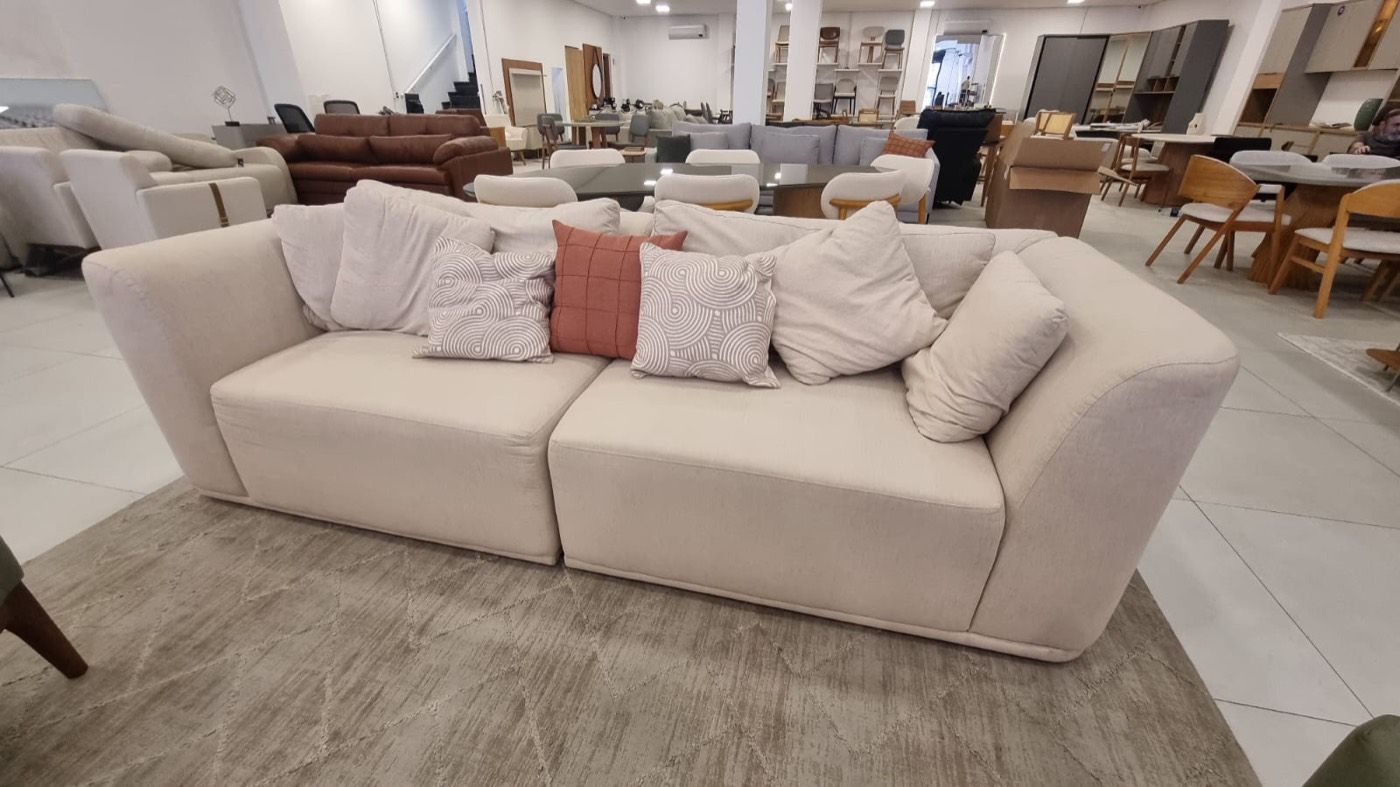
Dolomite sofa
- Ask about this model
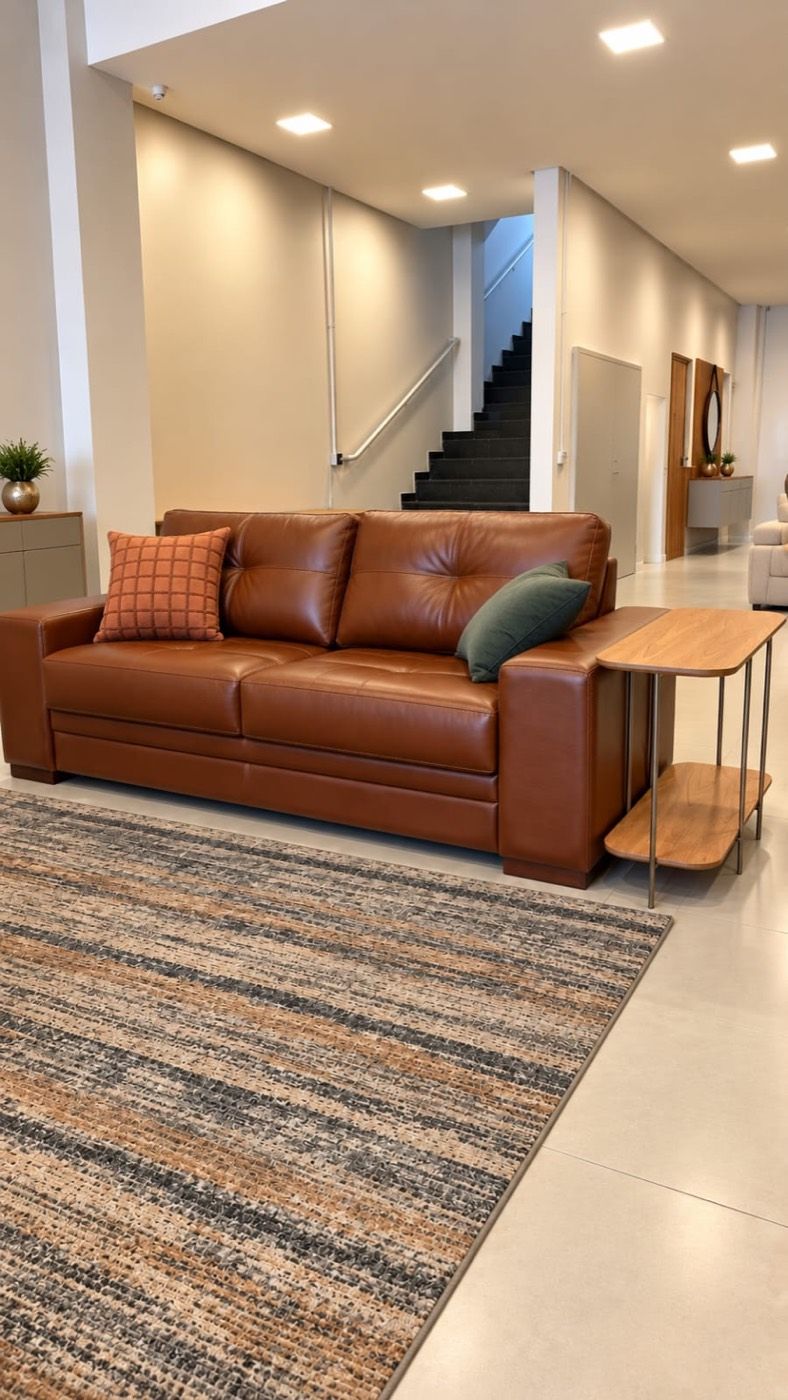
Fixed leather sofa
Presentation image of the model.
- Ask about this model

Org dining table
The furniture in this article, in Lucy Home photos
Frequently asked questions
What are the main interior design styles?
The most searched today are contemporary, modern, classic, industrial, Scandinavian, Japandi, minimalist, boho and coastal. You recognize each one by three things: the color palette, the materials and the shape of the furniture.
What is the difference between modern and contemporary style?
Modern is a period style, with straight lines, open spaces and little ornament. Contemporary is what is being done now: it starts from modern, keeps the clean lines and the focus on function, and welcomes curves, textures and current materials.
What is Japandi style?
It is the fusion of Japanese and Scandinavian design, which the Planner 5D guide sums up as a cozy, refined minimalism. In practice: light wood, neutral tones, low furniture and few objects, each chosen with care.
Can I mix design styles in the same living room?
Yes, and almost every beautiful home does. I pick one style as the base, which gets the large pieces, and let the second one in through one or two smaller pieces, such as an armchair, a mirror or a sideboard.
Which style suits a beach apartment?
Coastal is the natural path: a light base, wood, natural fibers and touches of blue and green. Scandinavian and Japandi also work very well by the sea, because they use the same light base and few objects, which makes cleaning and airing easier.