Orchid, fern, fiddle-leaf fig and prayer plant: plants that ask for extra care and are worth it
By Lucy Home. Published 15/11/2026, updated 15/11/2026.
Some plants are more work and, in return, change the room: an orchid in bloom on the sideboard, a full fern, a fiddle-leaf fig with its huge leaves, a prayer plant that folds its leaves at night. What they ask for is nearly always the same: indirect light, regular watering and humidity in the air. People who live on the coast usually have humidity on their side. What is left is getting the light, the watering and the position next to the furniture right.
Lucy Home does not sell plants. What I bring here is the care according to university extension fact sheets, and what it changes in how you arrange the room.
What does each one need?
| Plant | Light | Water and humidity |
|---|---|---|
| Moth orchid (Phalaenopsis) | A window with morning sun; other windows only if well shaded | Once a week or more in hot weather; let it drain completely |
| Boston fern (Nephrolepis exaltata) | Bright indirect light | Mix always moist; high humidity |
| Fiddle-leaf fig (Ficus lyrata) | Bright indirect light or partial shade, protected from afternoon sun | Moist, well-drained mix; sensitive to excess |
| Prayer plant (Maranta leuconeura) | Indirect light; does not tolerate direct sun | Evenly moist mix while growing; high humidity |
The data comes from North Carolina State University Extension (NC State) fact sheets, linked in each section.
Orchid: how do I make it last and bloom again?
The NC State fact sheet on Phalaenopsis says the best spot in the house is the sill of a window with morning sun. Other guidance from the same text:
- Water in the morning, with tepid water, letting it run through the medium, and wait for the pot to drain completely.
- Let the medium dry slightly between waterings. A mature plant wants water once a week, or more in summer heat.
- Use a bark-based medium, which drains well.
- Do not move the plant while it is in bud. A change in temperature, humidity or location can make the buds drop.
The flowers can last four months or longer, and the plant blooms again once a year with the right care. Large-flowered varieties, according to the fact sheet, need cool nights in autumn, around 13 °C for a week, to send up a new spike. Small hybrids do without the chill.
In decorating, the orchid is a surface plant: sideboard, buffet, side table. Since watering means letting it run through, I carry the pot to the sink, water it, wait until it stops dripping and only then return it to the furniture.
Fern: why does it dry out?
Because humidity is nearly always what is missing. The NC State fact sheet asks for bright indirect light, high humidity and a moist mix that should never dry out. To raise humidity, the text suggests keeping the plant near the kitchen or the bathroom, or on a tray of wet pebbles. When the air is too dry, scale insects and mites show up.
The plant reaches 60 to 90 cm in height and width. That is why it looks better on a tall stand or hanging, near the window, than on top of the TV unit: the fronds spill sideways and watering is frequent.
Fiddle-leaf fig: why does it drop leaves?
The fiddle-leaf fig is the large plant everyone loves and many people give up on. The NC State fact sheet explains the two most common scares:
- Leaf drop: it can come from too much or too little water. The plant is sensitive to overwatering.
- Brown spots: they can appear near heating or cooling vents, where the room temperature swings.
In other words: no fiddle-leaf fig under the air conditioner. It wants a bright corner, with no direct afternoon sun, and it stays there. As an indoor plant, it grows from 60 cm to 3 m. How to use that size in the room’s favor is covered in the guide to large plants for the living room.
Prayer plant: how do I keep the leaves beautiful?
The prayer plant is small, 15 to 30 cm tall, and has a charm of its own: the leaves move and stand upright at night. The NC State fact sheet says it does not tolerate direct sun, that too much sun fades the leaf colors, and that it wants high humidity. The text also warns that the leaves burn with too much fluoride in the water and too much fertilizer.
It is a plant for a side table or a shelf, away from the sun, in a pot with a saucer.
Where do I put them without damaging the furniture?
A plant that wants frequent watering also wants care with what sits underneath:
- Always a saucer, with felt or cork under it, on a wood or MDF top. Both materials react to water, as I explain in the guide to solid wood or MDF.
- Water at the sink, not on the furniture, whenever the pot is light enough.
- A tray of wet pebbles only on a surface that accepts moisture. On top of the buffet, no.
- Distance from upholstery. A hand’s width between the leaves and the arm of the sofa or armchair keeps splashes off the fabric.
To compose plant, sofa and side table, see the guide to plants in the living room.
What about dogs, cats and children?
Good news for this group. The ASPCA, the American animal welfare organization, lists the moth orchid, the Boston fern and the prayer plant as non-toxic to dogs and cats. The fiddle-leaf fig has low toxicity according to the NC State fact sheet, which records mouth irritation if eaten and sap that can irritate the skin. The full table is in the guide to plants toxic to dogs, cats and children.
Plan the plant corner together with the furniture
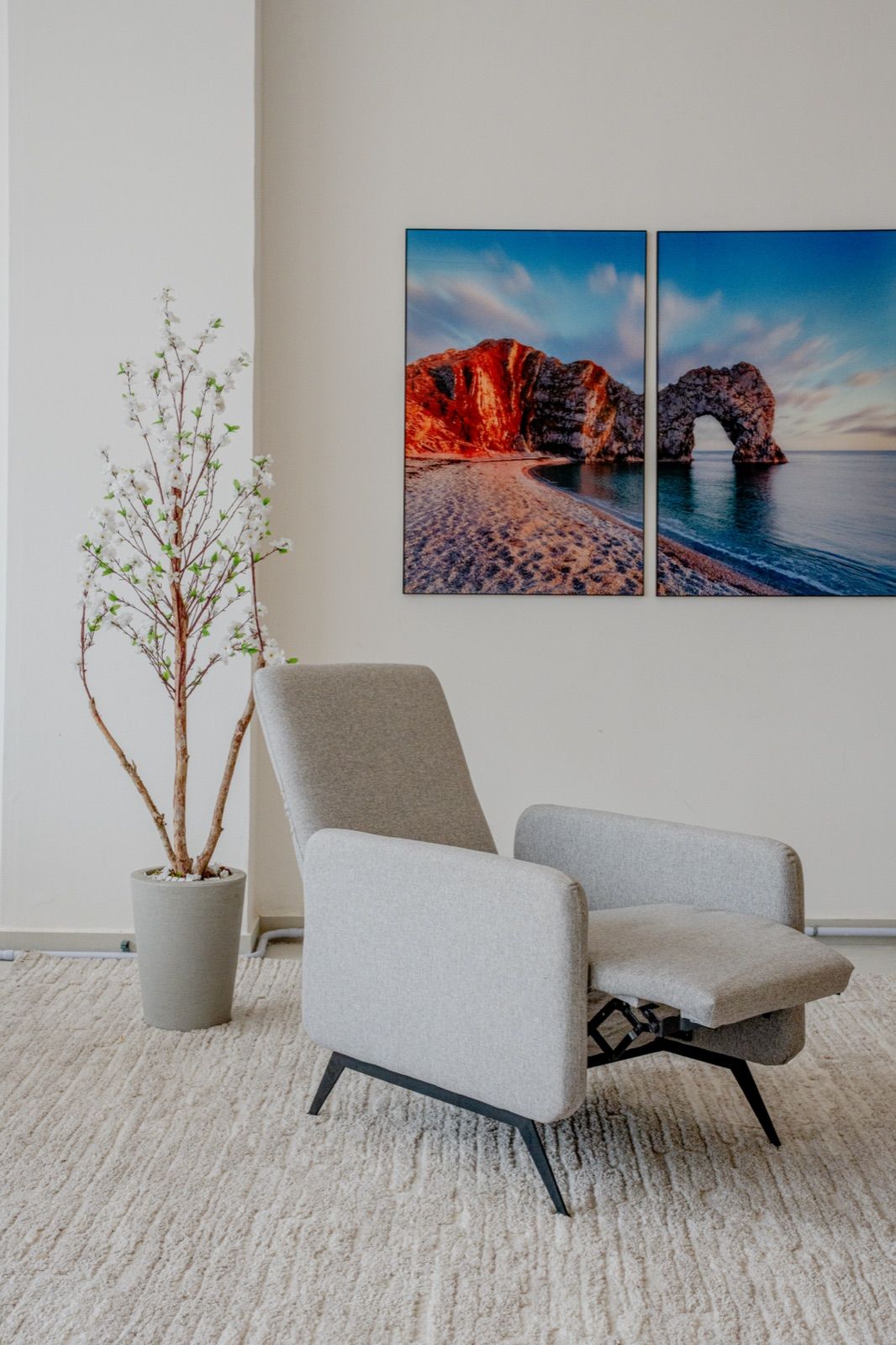
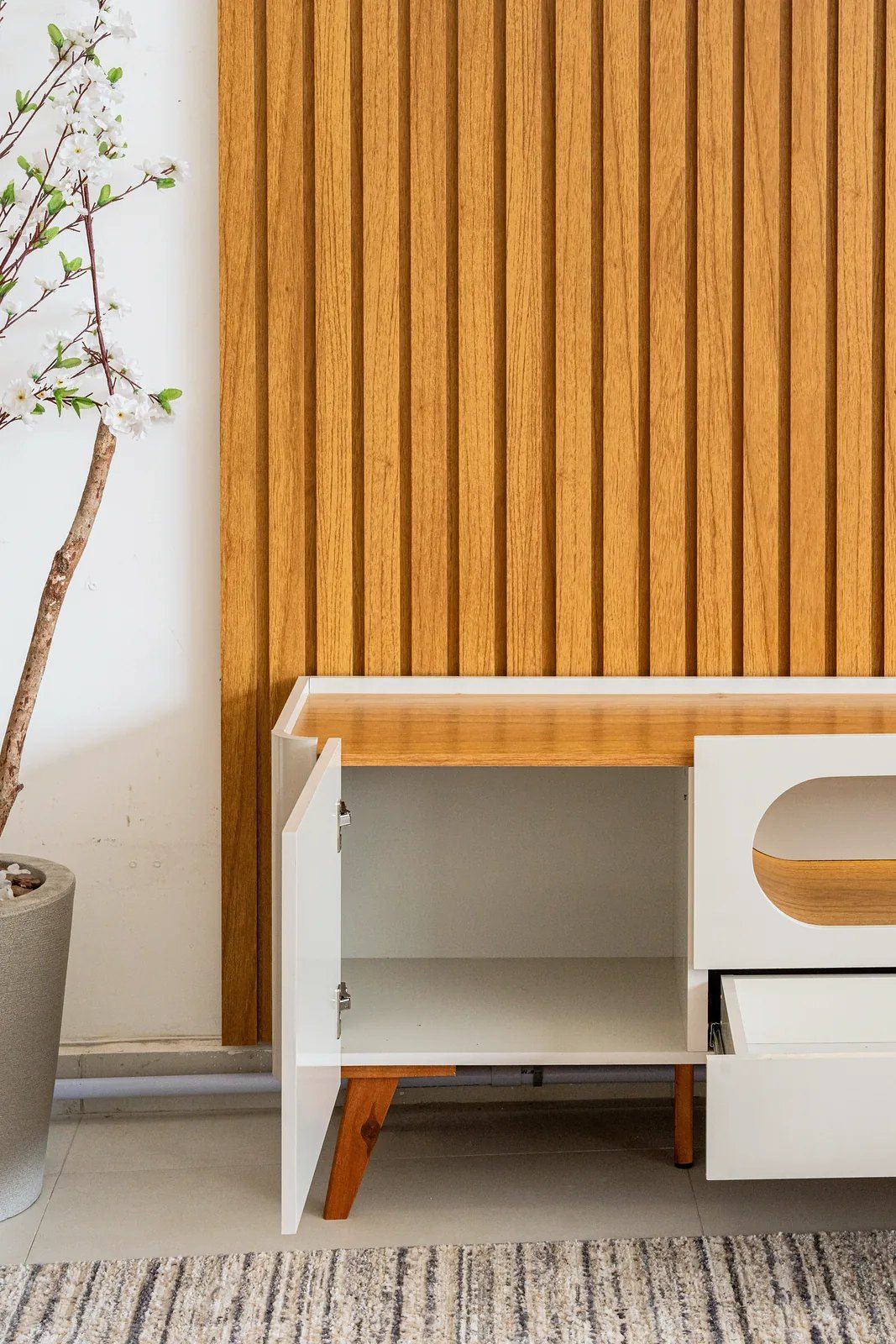
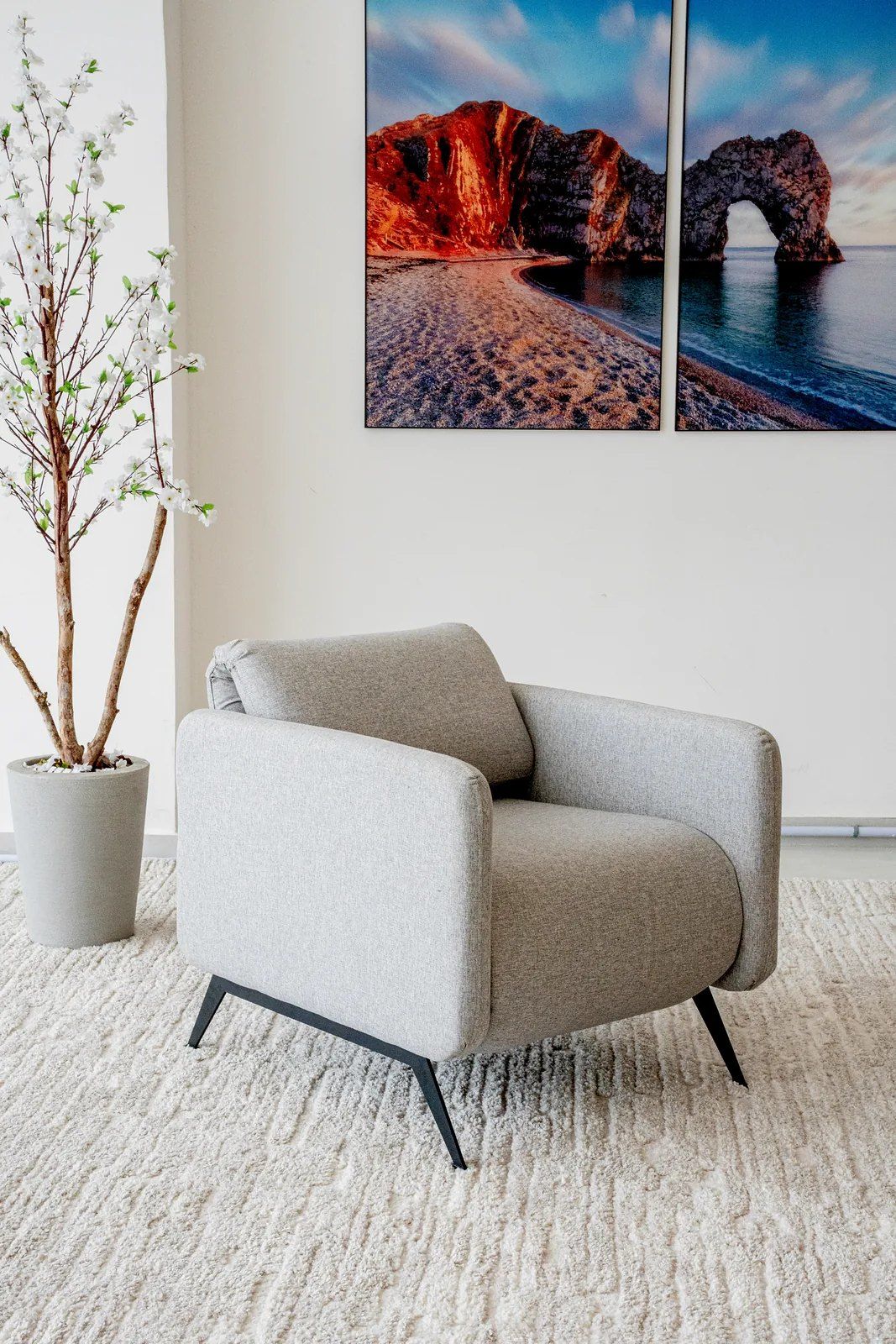
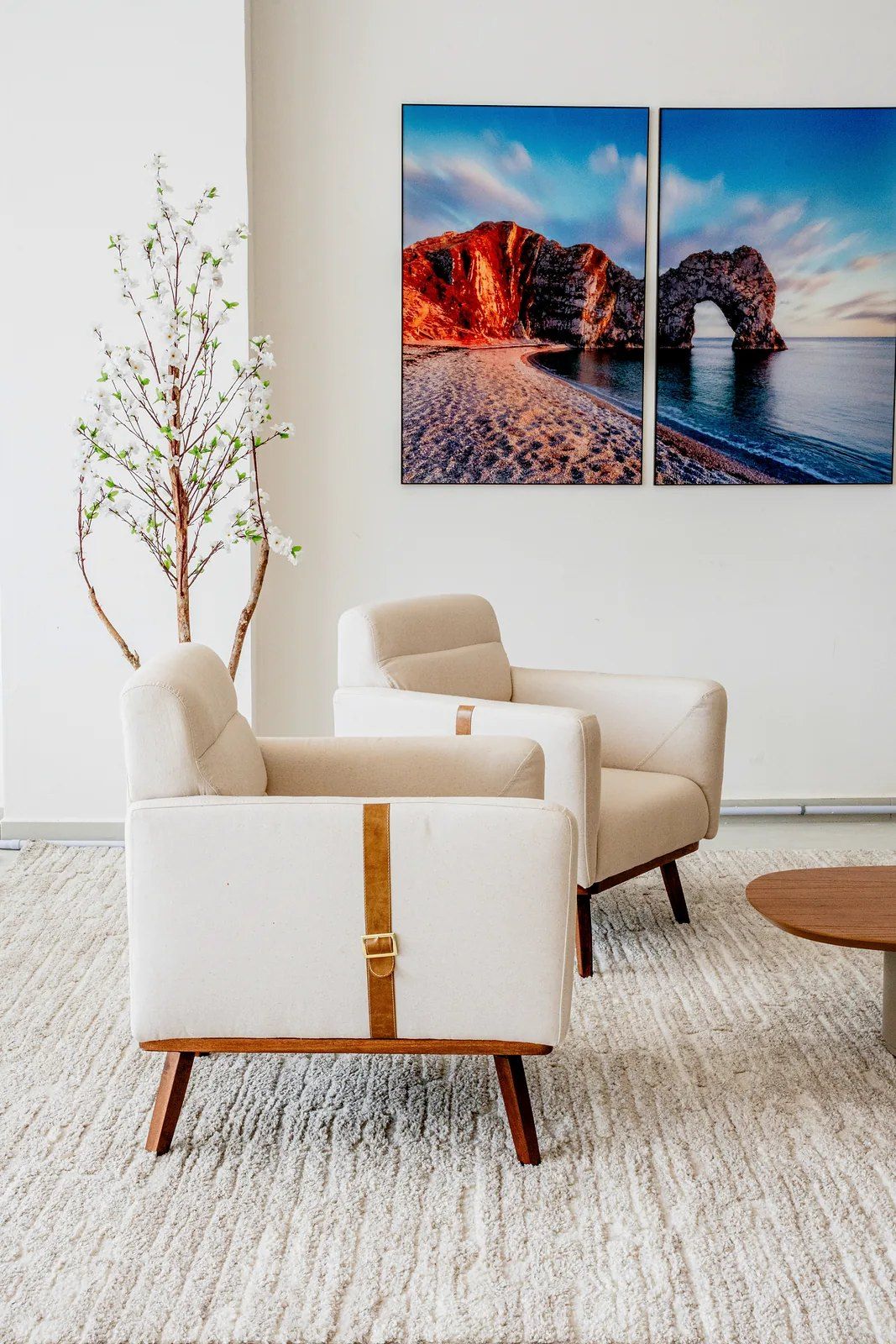
At Lucy Home, at Avenida Presidente Kennedy, 3870, Aviação, Praia Grande, the team helps you plan the room at no cost. Message us on WhatsApp, send a photo of the living room showing the window and tell us which plant you want to have: we suggest the sideboard, the side table or the armchair that pairs with it. You can also browse the buffets and sideboards and the armchairs.
Pieces mentioned in this article
- Ask about this model
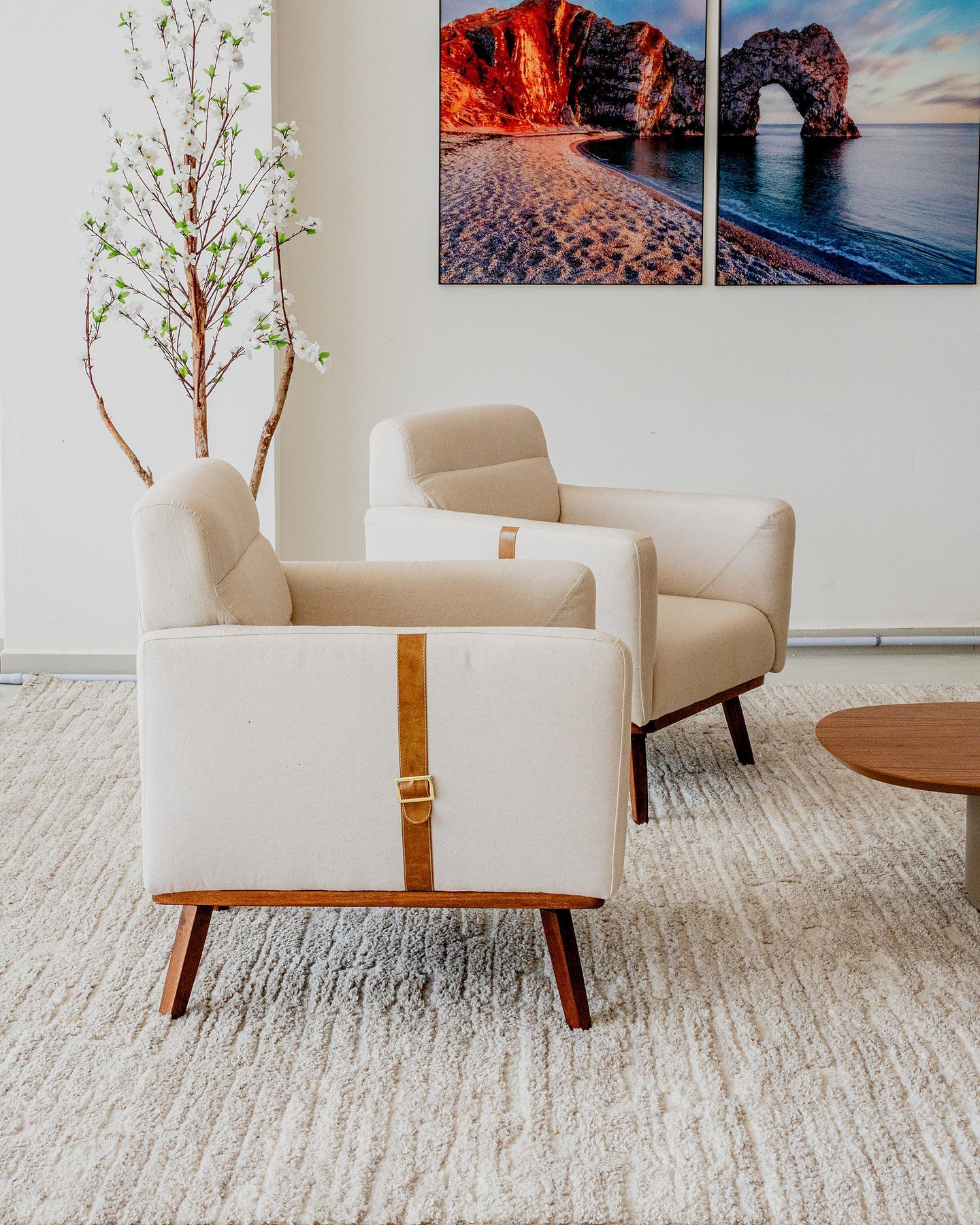
Dion armchair
- Ask about this model
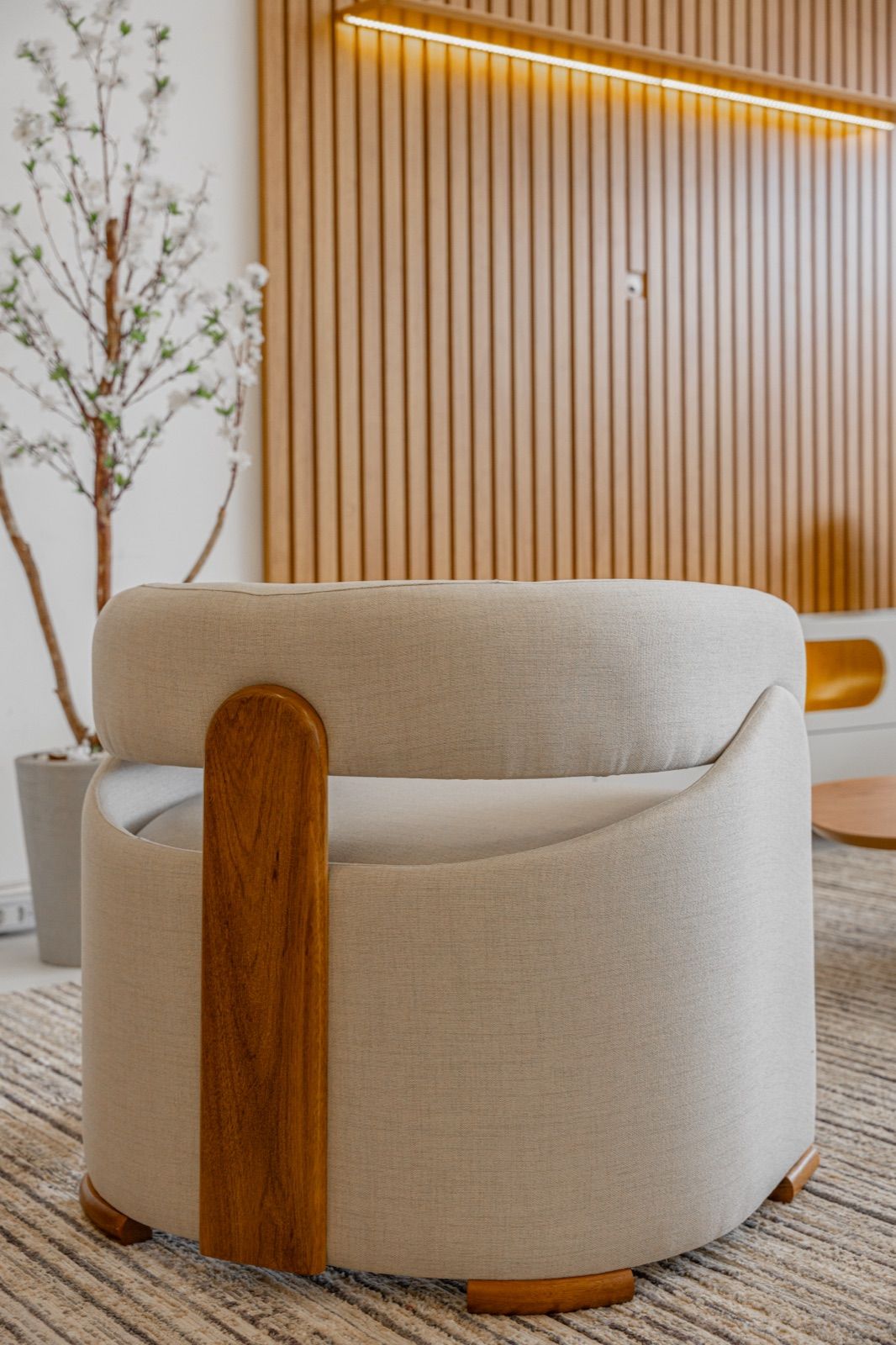
Raven armchair
- Ask about this model
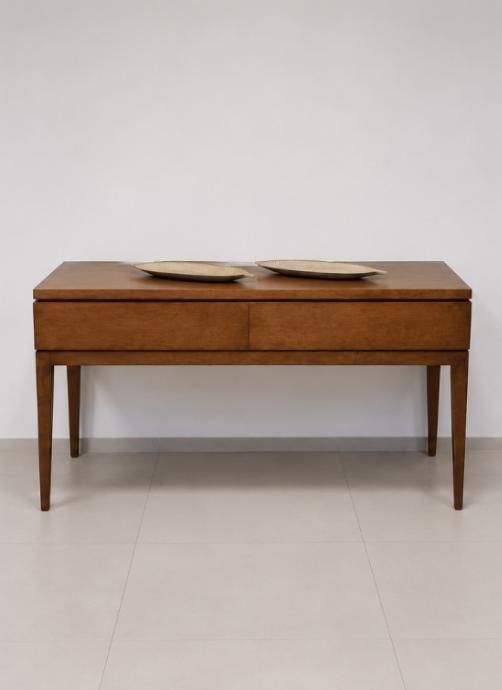
Linea console table
Presentation image of the model.
- Ask about this model
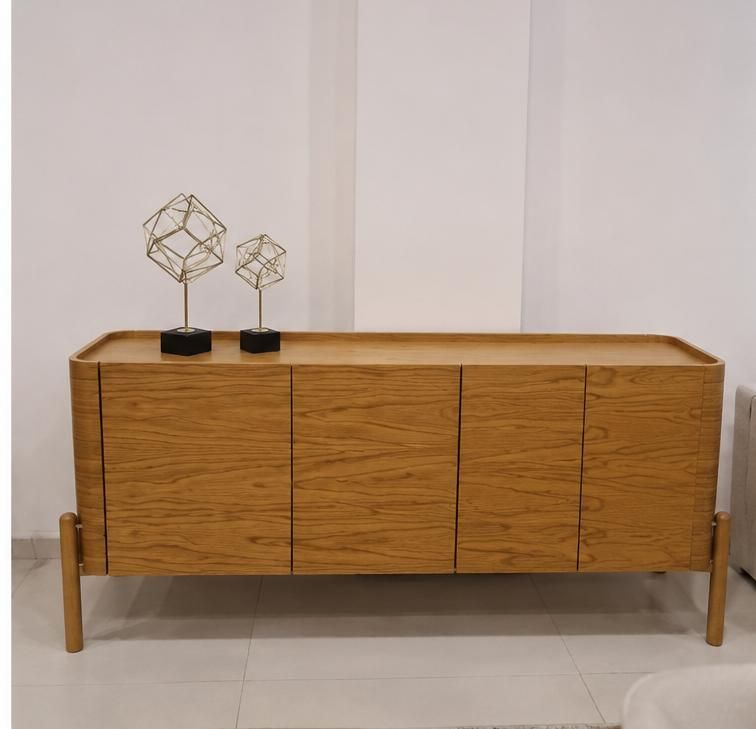
Damasco sideboard
The furniture in this article, in Lucy Home photos
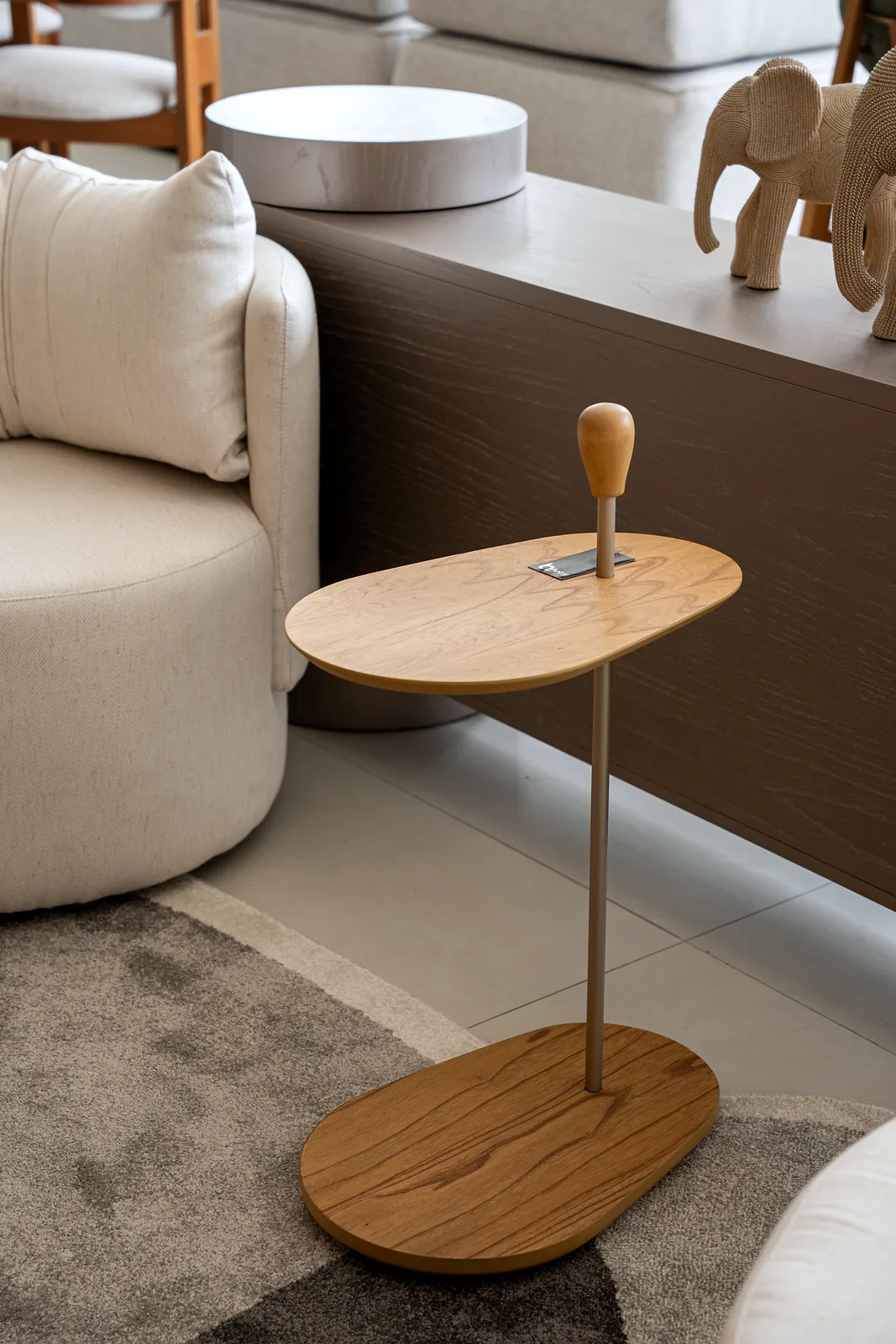
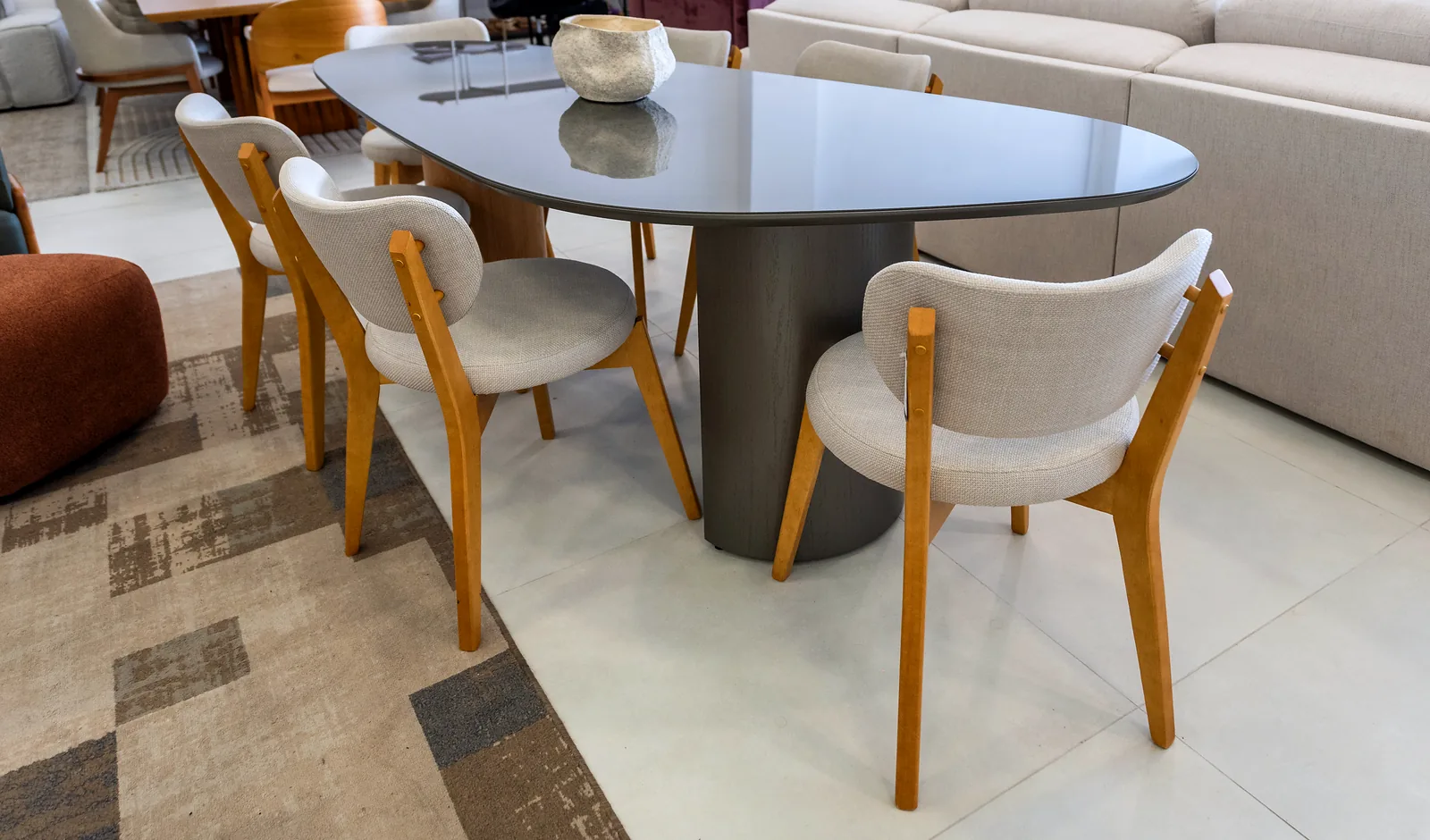

See side tables photos in the album
Plants mentioned in this article
-
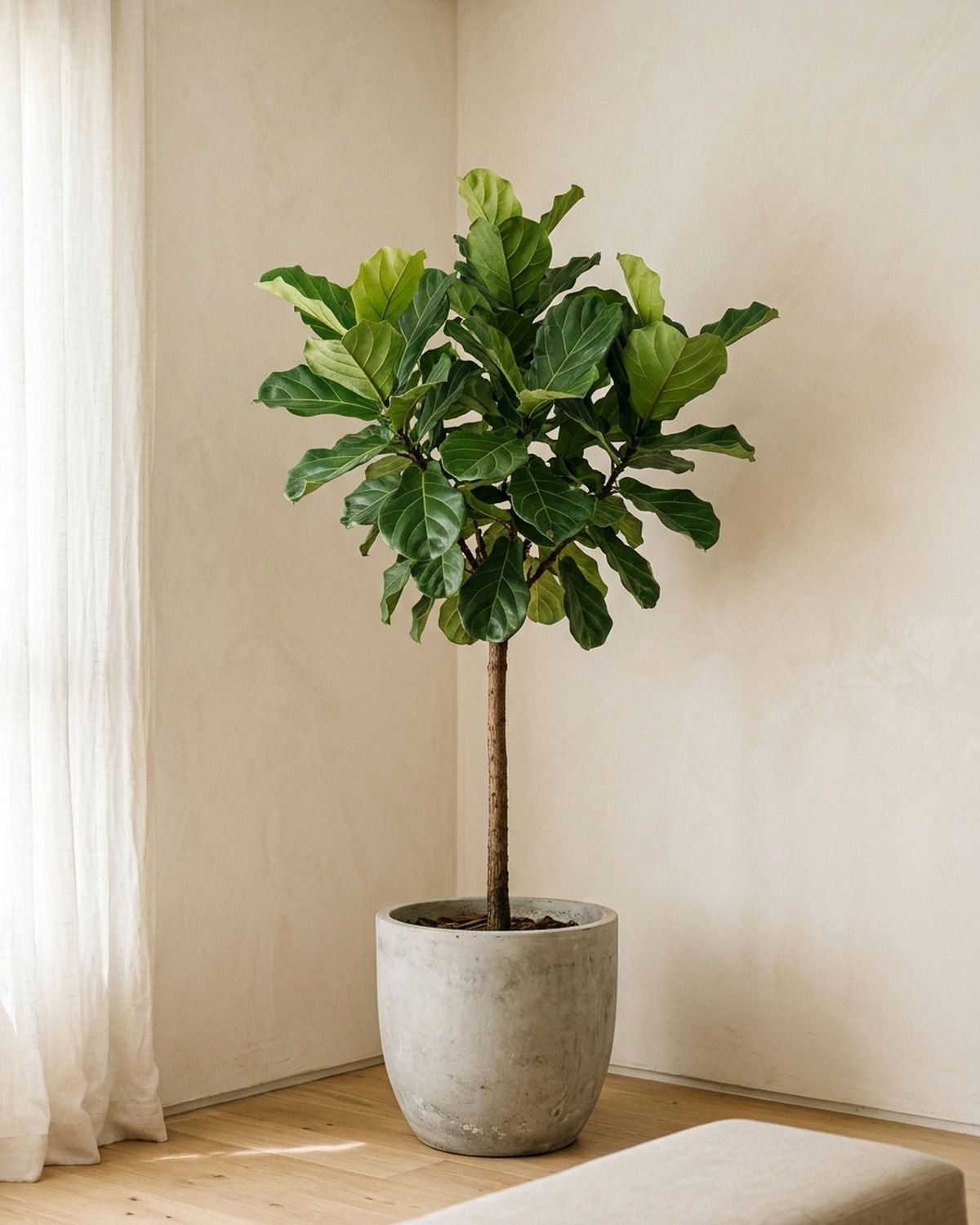
Fiddle-leaf fig
Indoor plant to bring life to the room.
Frequently asked questions
How do I care for an orchid in an apartment?
For the moth orchid (Phalaenopsis), North Carolina State University Extension recommends a window with morning sun, watering in the morning with tepid water and letting it drain completely, and a bark-based medium. The flowers can last four months or longer.
Why does a fern dry out indoors?
Because it needs high humidity and a moist mix that should never dry out, according to North Carolina State University Extension. The fact sheet suggests keeping the plant near the kitchen or the bathroom, or on a tray of wet pebbles.
Why does a fiddle-leaf fig drop leaves?
Leaf drop can come from too much or too little water, and the plant is sensitive to overwatering, says North Carolina State University Extension. Brown spots can appear near heating or cooling vents, where the temperature swings.
Can a prayer plant take sun?
Not direct sun. The North Carolina State University Extension fact sheet says the prayer plant does not tolerate direct sun, that too much sun fades the leaves, and that it wants high humidity and an evenly moist mix while it is growing.
Are these plants safe for dogs and cats?
The ASPCA lists the moth orchid, the Boston fern and the prayer plant as non-toxic to dogs and cats. The fiddle-leaf fig has low toxicity according to the NC State fact sheet, and its sap can irritate the skin.
Sources
- NC State Extension Plant Toolbox, Phalaenopsis
- NC State Extension Plant Toolbox, Nephrolepis exaltata
- NC State Extension Plant Toolbox, Ficus lyrata
- NC State Extension Plant Toolbox, Maranta leuconeura
- ASPCA, Toxic and Non-Toxic Plants: Phalaenopsis Orchid
- ASPCA, Toxic and Non-Toxic Plants: Boston Fern
- ASPCA, Toxic and Non-Toxic Plants: Prayer Plant