Easy-care plants: the ones that survive travel, a busy routine and a vacation apartment
By Lucy Home. Published 15/11/2026, updated 15/11/2026.
An easy-care plant is one that forgives a forgotten watering. The two champions are the ZZ plant and the snake plant: they store water and only want watering when the mix is dry. Cacti and pothos come right behind. For people who travel a lot or own a vacation apartment on the coast, the rule is to choose by how long the home stays empty, not by the prettiest plant at the flower shop.
Lucy Home does not sell plants or pots. This guide is here so the plant gets along with the furniture, even when nobody is home.
Which plants are the least work?
| Plant | Watering, according to the source | Light |
|---|---|---|
| ZZ plant (Zamioculcas zamiifolia) | Once or twice a month, only when the mix is completely dry (Clemson) | Tolerates darker rooms |
| Snake plant (Dracaena trifasciata) | Let it dry between waterings; in winter, every one to two months (NC State) | Tolerates very low light |
| Golden pothos (Epipremnum aureum) | Let the mix dry between waterings (NC State) | Survives long periods in low light |
| Arid-climate cacti | Dry slightly between waterings in the growing season; in winter, keep quite dry (Clemson) | Direct sun for several hours a day |
Clemson University Extension explains why the ZZ plant copes: it has bulbous rhizomes that store water. The NC State fact sheet on the snake plant sums up its care in one sentence: do not overwater, because the roots rot.
These fact sheets were written for the climate of the United States. Here on the coast of São Paulo, with humid air, the mix takes longer to dry. The calendar is only a guide: the finger test decides.
How do I water without getting it wrong?
Clemson’s watering fact sheet has the three rules I repeat most:
- The finger test. Push a finger into the mix up to the first joint. If it is dry at the fingertip, it is time to water.
- Water until it runs out of the bottom of the pot, then empty the saucer. The plant should not stand in the water that drained.
- Be wary of excess. According to Clemson, the main cause of death of potted plants is over-watering.
The same text points out that a clay pot, being porous, loses water through its sides and needs watering more often than a plastic or glazed pot. There is more on that in the guide to pots, cachepots and plant stands.
I am going away: what should I do before leaving?
The Royal Horticultural Society (RHS), in the United Kingdom, says most houseplants tolerate a few days of absence without harm, and that absences longer than a week call for measures. The ones it describes:
- Move them away from a bright window or into a cooler room, so the plant dries out more slowly.
- Capillary matting. Wet capillary matting on the sink draining board or on a surface next to the bath. The pots are grouped on top, pressed firmly onto the matting.
- A wick. One end of the wick in a water reservoir, the other pushed into the pot.
Notice that the matting goes on the sink or in the bathroom, not on top of the TV unit. A water reservoir on wood or MDF for two weeks is asking for a stain. Before a trip, I take every pot off the furniture.
And in a vacation apartment?
It depends on how long it stays closed. My rule, based on the watering intervals in the fact sheets:
| How the home is used | What I recommend |
|---|---|
| Someone goes every week or every two weeks | ZZ plant, snake plant, pothos |
| One visit a month | ZZ plant and snake plant, somewhere that gets daylight with the curtain closed |
| Closed for longer than a month | A permanent arrangement: dried branches, preserved foliage or artificial plants |
No living plant does without water and light for months. And a closed home on the coast has another problem: humidity. A waterlogged pot in a room with no ventilation does not help. The guide to opening and closing the beach house has the step-by-step for the home, and the one on furnishing a vacation apartment covers the furniture.
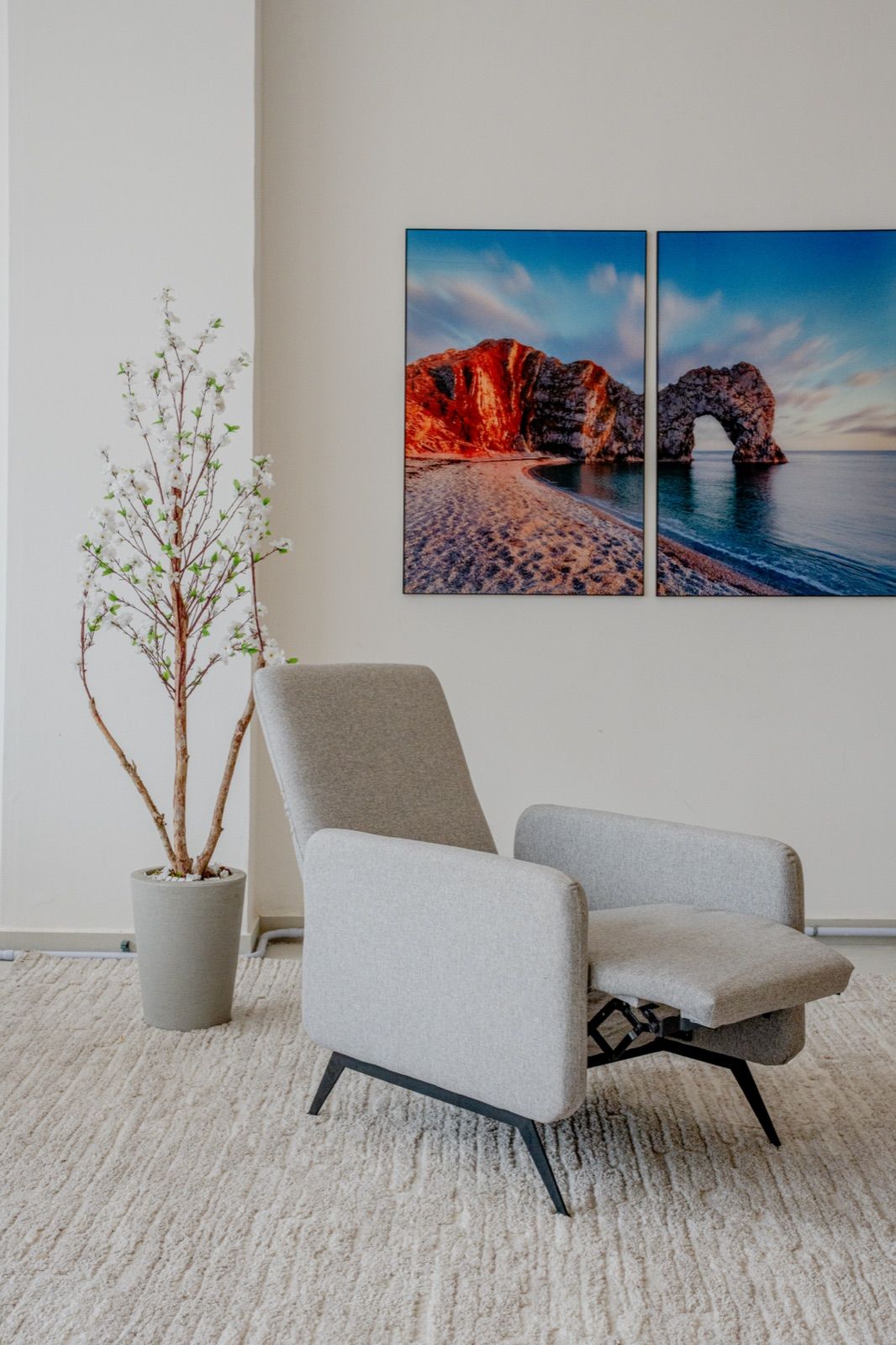
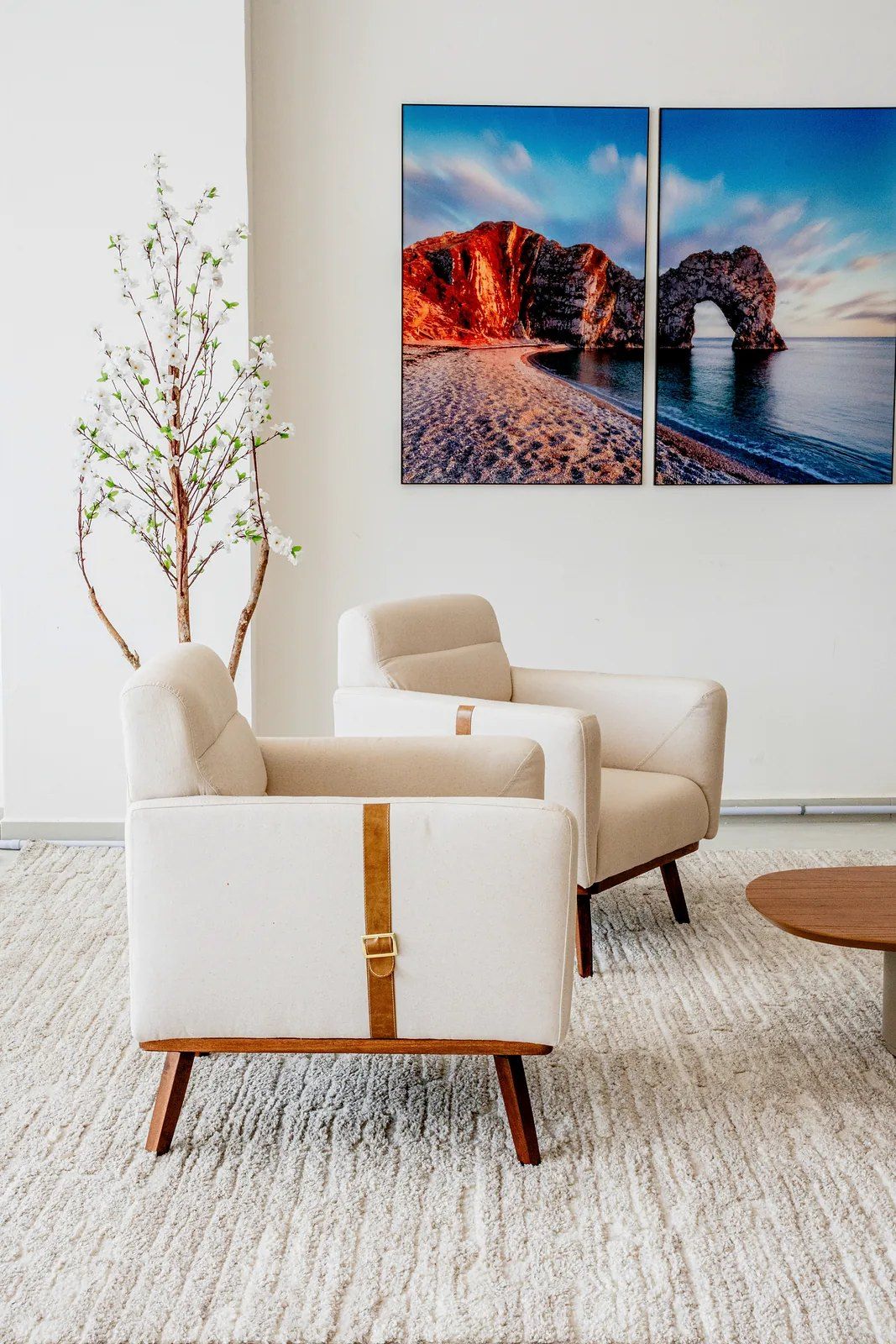
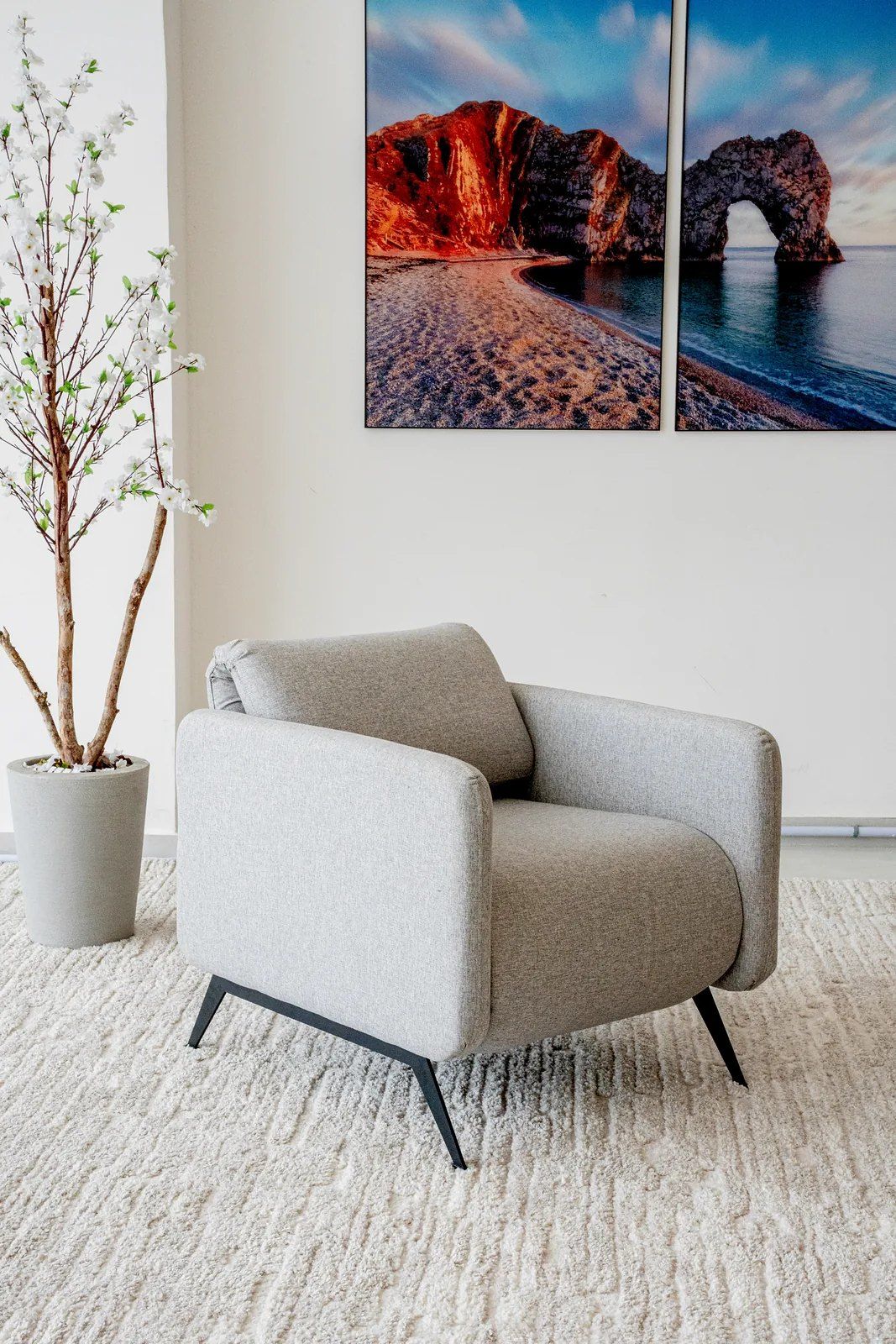
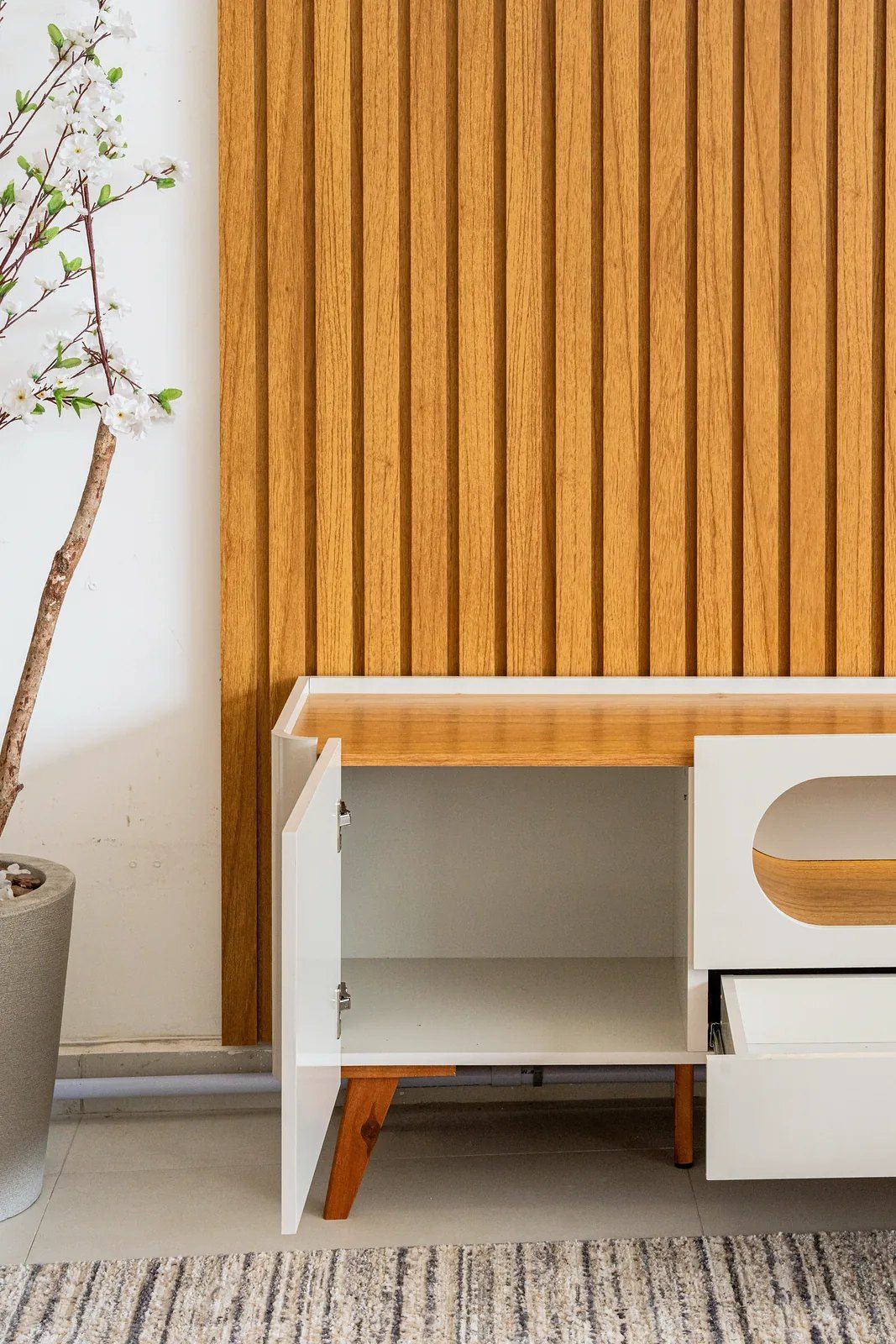
A permanent arrangement is no decorating sin. A tall floor vase with branches, beside the TV unit or the armchair, gives the corner height and lightness and asks for nothing in return.
Is an easy plant safe for pets?
Not necessarily. The ZZ plant, the snake plant and pothos, the three easiest, have toxicity for dogs and cats recorded in the NC State fact sheets. If there is an animal at home, read the guide to plants toxic to dogs, cats and children first.
Set up the living room around your routine
At Lucy Home, at Avenida Presidente Kennedy, 3870, Aviação, Praia Grande, the team helps you plan the room at no cost. Message us on WhatsApp, tell us whether the home is lived in year-round or used for vacations, and send the living room measurements: we suggest a sofa, a TV unit and a sideboard for the way you use it, with the plant corner already planned. You can also browse the TV units and the low-light plants for apartments.
Pieces mentioned in this article
- Ask about this model
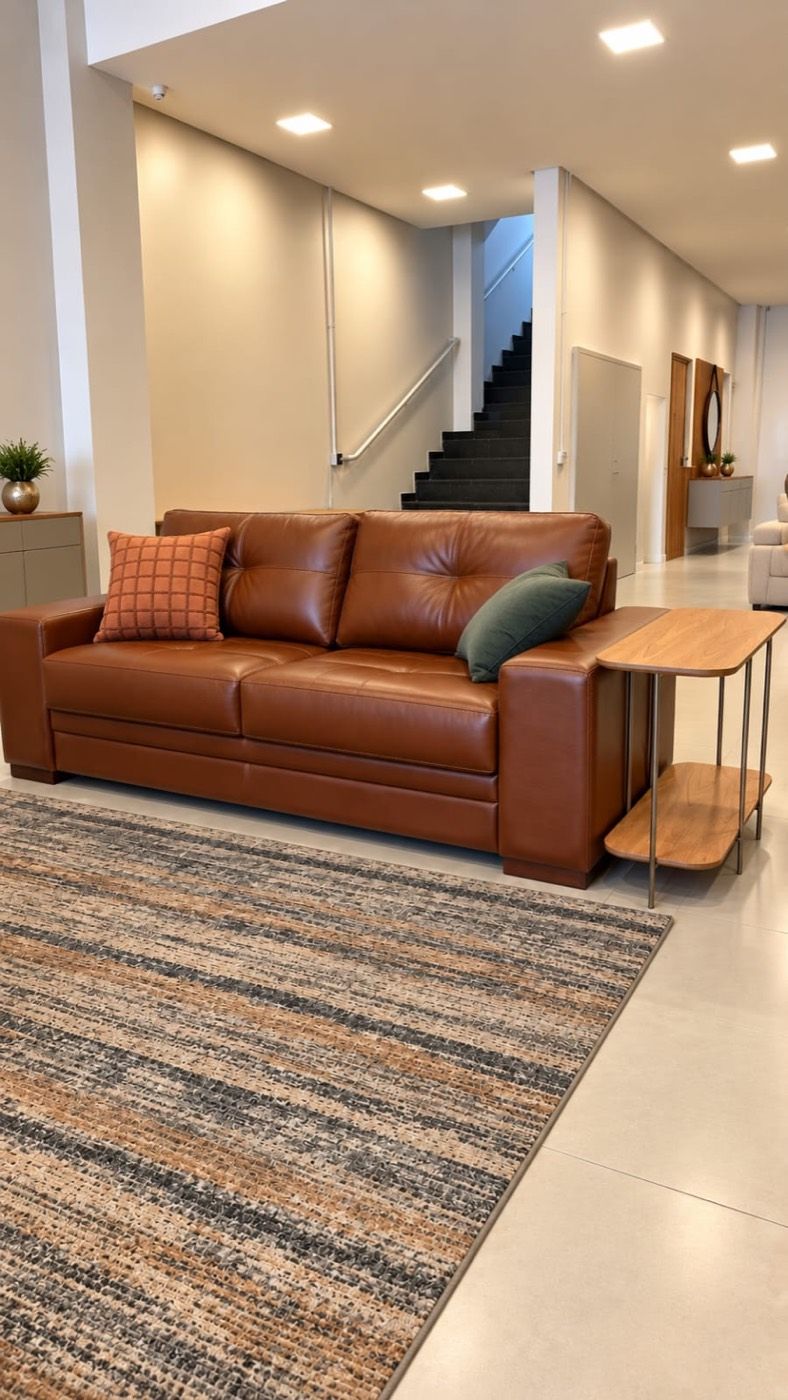
Fixed leather sofa
Presentation image of the model.
- Ask about this model
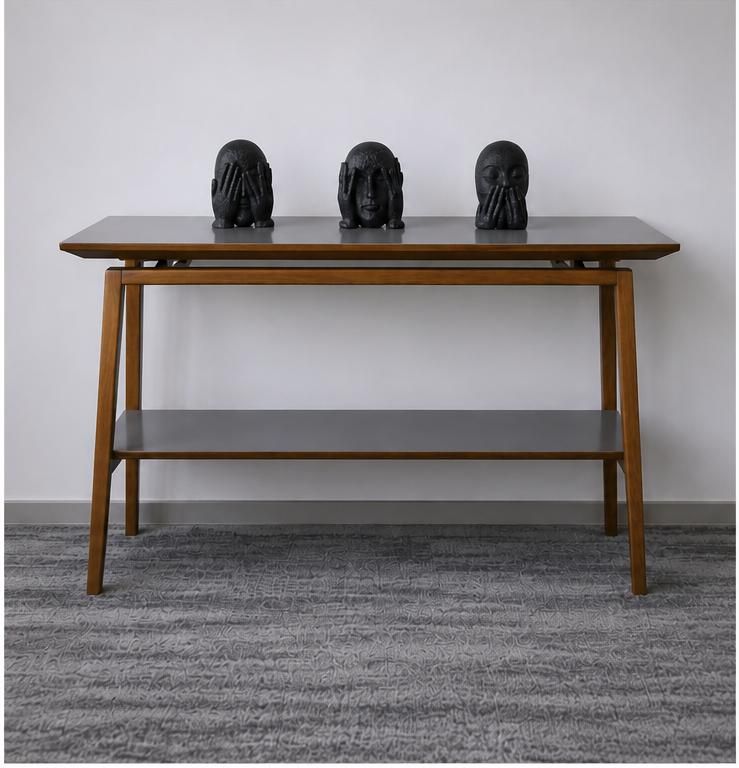
Cristal console table
Presentation image of the model.
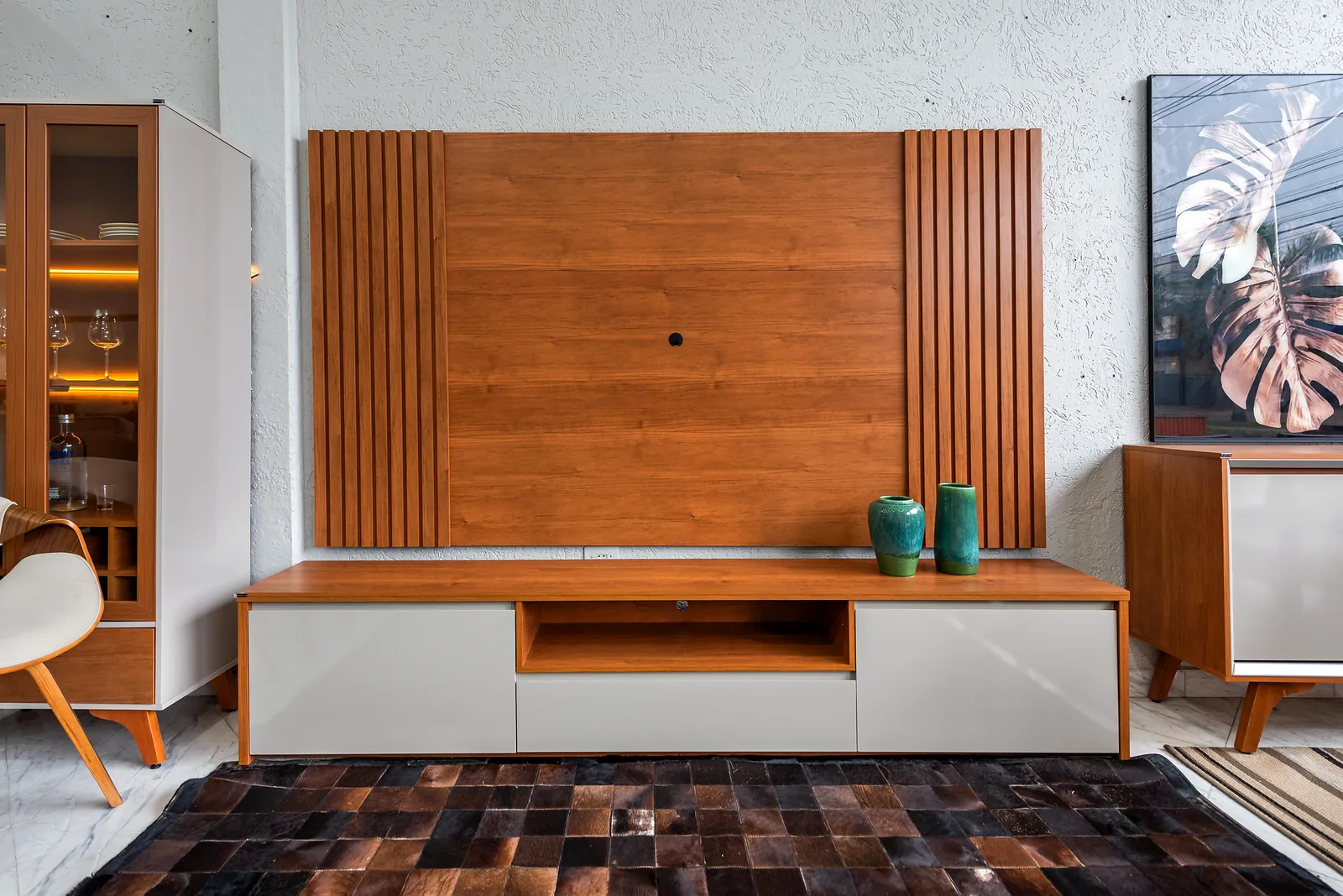
The furniture in this article, in Lucy Home photos
Frequently asked questions
Which plant needs the least care?
ZZ plant and snake plant. Clemson University Extension recommends watering the ZZ plant once or twice a month, only when the mix is completely dry, and North Carolina State University Extension recommends watering the snake plant every one to two months in winter.
How long can a plant go without water while I travel?
The Royal Horticultural Society (RHS), in the United Kingdom, says most houseplants tolerate a few days of absence without harm, and that absences longer than a week call for measures, such as moving them away from a bright window and using capillary matting or a wick.
Can I keep a living plant in a vacation apartment?
Yes, if someone waters it or if you visit at least monthly and the species is a ZZ plant or a snake plant. For a home that stays closed longer, I recommend a permanent arrangement of dried branches or artificial plants.
What is the most common mistake with houseplants?
Overwatering. Clemson University Extension states that the main cause of death of potted plants is over-watering, and advises against leaving the pot standing in the water that drains out: empty the saucer.
How do I know when to water?
With your finger. Clemson advises pushing a finger into the potting mix up to the first joint: if it is dry at the fingertip, the plant needs water.
Sources
- Clemson Cooperative Extension, ZZ Plant (Zamioculcas zamiifolia): Indoor Care, Growing Tips & Plant Guide (Jackie Jordan, June 8, 2026)
- Clemson Cooperative Extension, HGIC 1459: Indoor Plants, Watering
- Clemson Cooperative Extension, HGIC 1502: Indoor Cacti
- NC State Extension Plant Toolbox, Zamioculcas zamiifolia
- NC State Extension Plant Toolbox, Dracaena trifasciata
- NC State Extension Plant Toolbox, Epipremnum aureum
- Royal Horticultural Society (RHS), Houseplants: holiday care