Low-light plants for apartments: ZZ plant, pothos, peace lily and where to place each one
By Lucy Home. Published 15/11/2026, updated 15/11/2026.
A low-light apartment can have plants, as long as you pick the right species and it can see the window. The ones I recommend most are the ZZ plant, golden pothos, snake plant, peace lily and lady palm: all of them have shade tolerance recorded in university extension fact sheets. Low light, however, is not the absence of light. And one warning before you buy: most of them are toxic to dogs and cats.
Lucy Home does not sell plants. What we do is help you decide where the plant goes in relation to the sofa, the TV unit and the sideboard, so that it gets light and the furniture stays protected.
What does low light mean?
Clemson University Extension sorts indoor plants by light level and says where each group belongs:
| Light level | Where the plant stays (Clemson, with the orientation adapted to Brazil) |
|---|---|
| High light | Near a window or glass door that gets afternoon sun or sun all day |
| Medium light | A few feet from those windows, or at a window with morning sun |
| Low light | A few feet from the morning-sun window, or at a window on the side that gets the least sun |
Clemson writes for the Northern Hemisphere: there, high light is a west or south window, and low light is a north window. In Brazil it is the opposite: the south side gets the least sun, and the north side gets the most. East and west do not change: morning sun in the east, afternoon sun in the west.
The same fact sheet warns that insufficient light results in poor growth. My practical test: if you can read in that corner during the day without turning on a lamp, a low-light plant usually holds up there. A closed hallway and a windowless bathroom are places for a permanent arrangement instead.
Which plants cope with low light?
| Plant | What the source says about light | Watering |
|---|---|---|
| ZZ plant (Zamioculcas zamiifolia) | Tolerates deep shade, but does best in bright indirect light; direct sun scalds the leaves | Only when the potting mix is dry |
| Golden pothos (Epipremnum aureum) | Prefers bright indirect light and survives long periods in low light | Let the mix dry between waterings |
| Snake plant (Dracaena trifasciata, formerly Sansevieria trifasciata) | Tolerates very low light | Sparingly; too much water rots the roots |
| Peace lily (Spathiphyllum) | Tolerates deep shade; no direct sun | Moist mix, never soggy |
| Lady palm (Rhapis excelsa) | Wants indirect light and withstands deep shade | Regular, reduced in winter |
The data comes from the North Carolina State University Extension (NC State) fact sheet for each species. Clemson’s low-light list also includes the parlor palm (Chamaedorea elegans), a small indoor palm.
Two details from the same fact sheets help you read the plant. In pothos, low light can make the leaf lose its variegation. In the ZZ plant, growth is slow: do not expect a new leaf every month.
Where should it go in relation to the furniture?
A low-light plant solves exactly the corners that furniture does not fill:
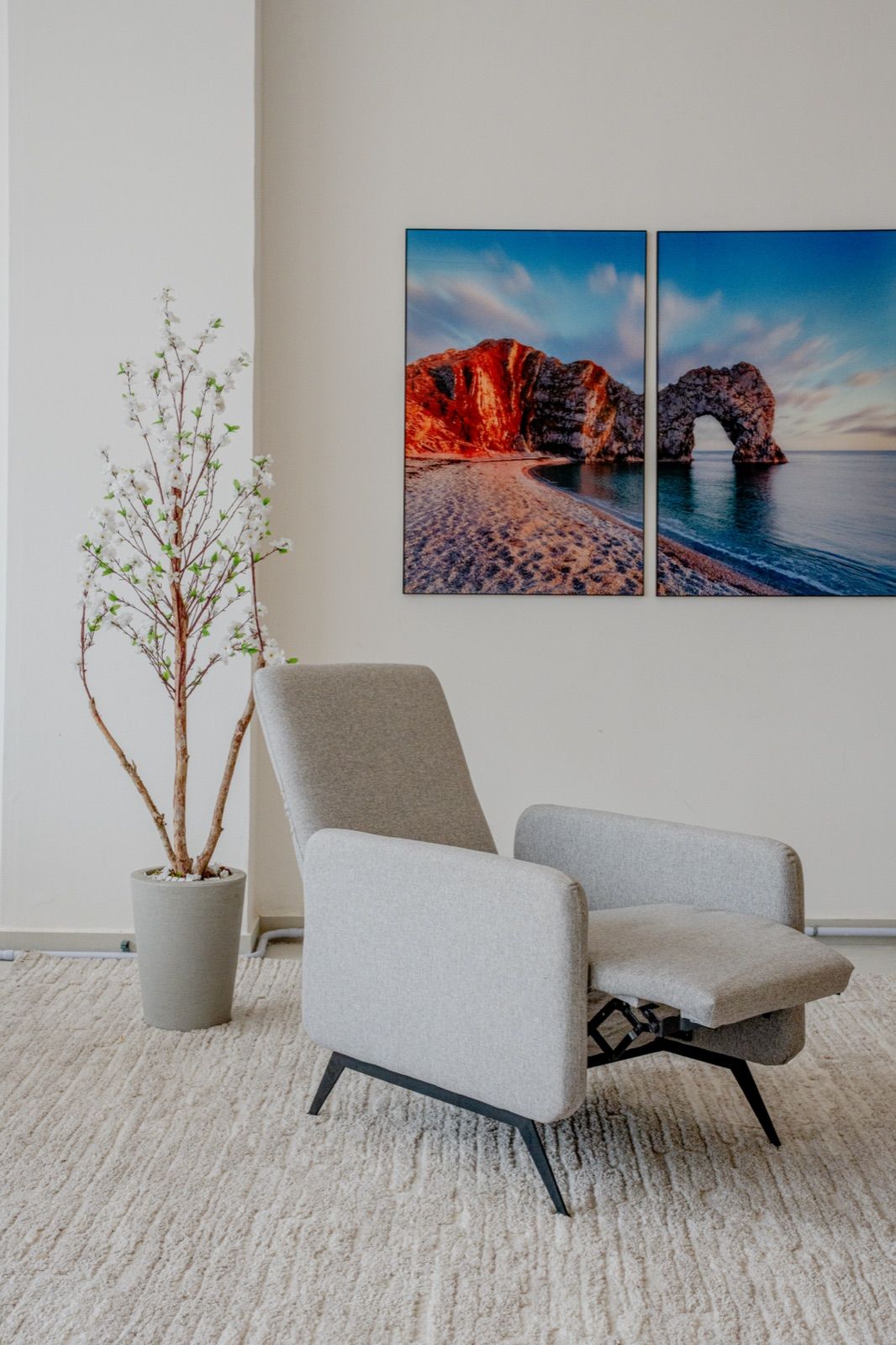
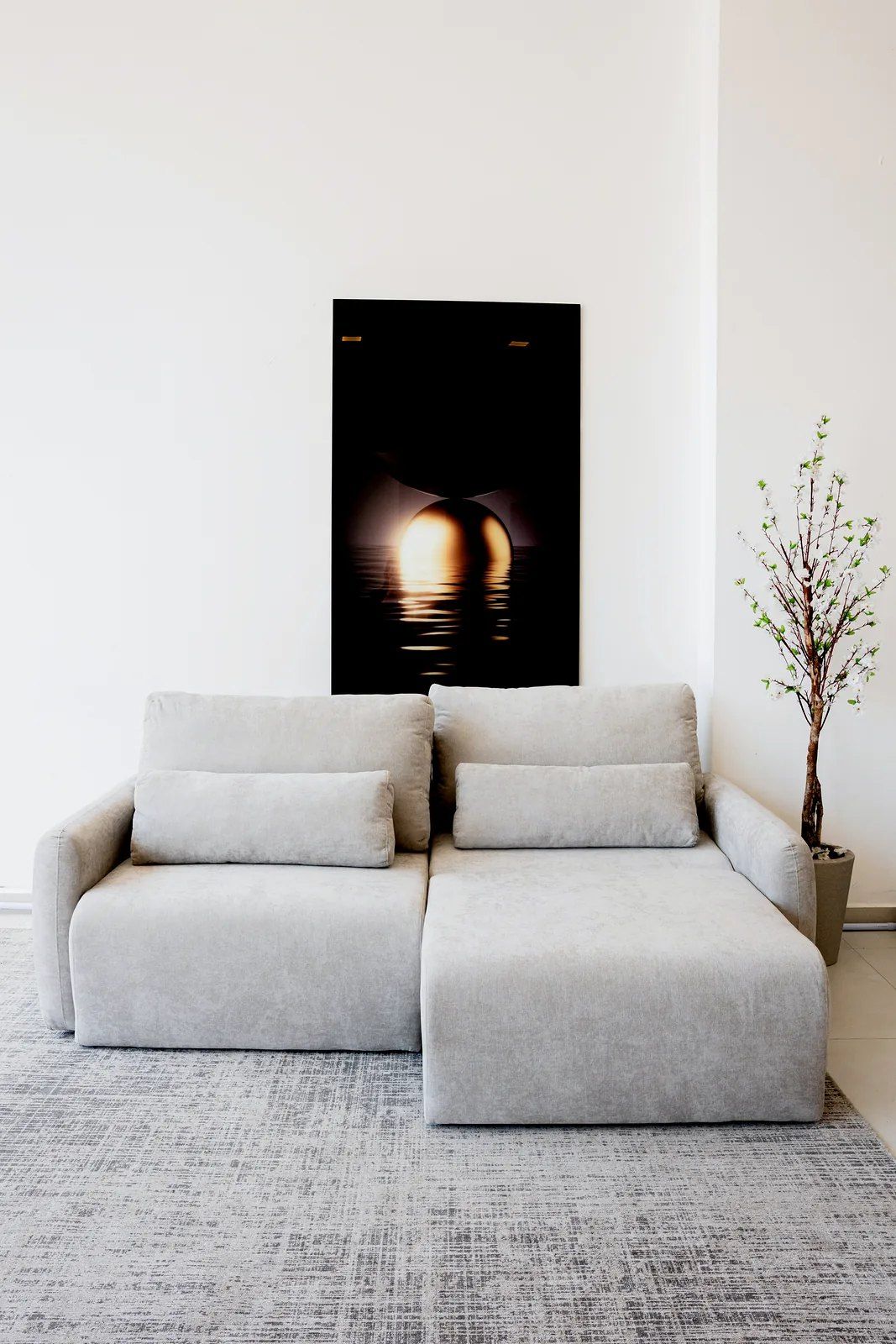
- Beside the sofa, in the corner opposite the window. A ZZ plant or a lady palm in a floor pot fills the corner without blocking the way. Leave a hand’s width between the leaves and the sofa arm, so watering does not splash the fabric.
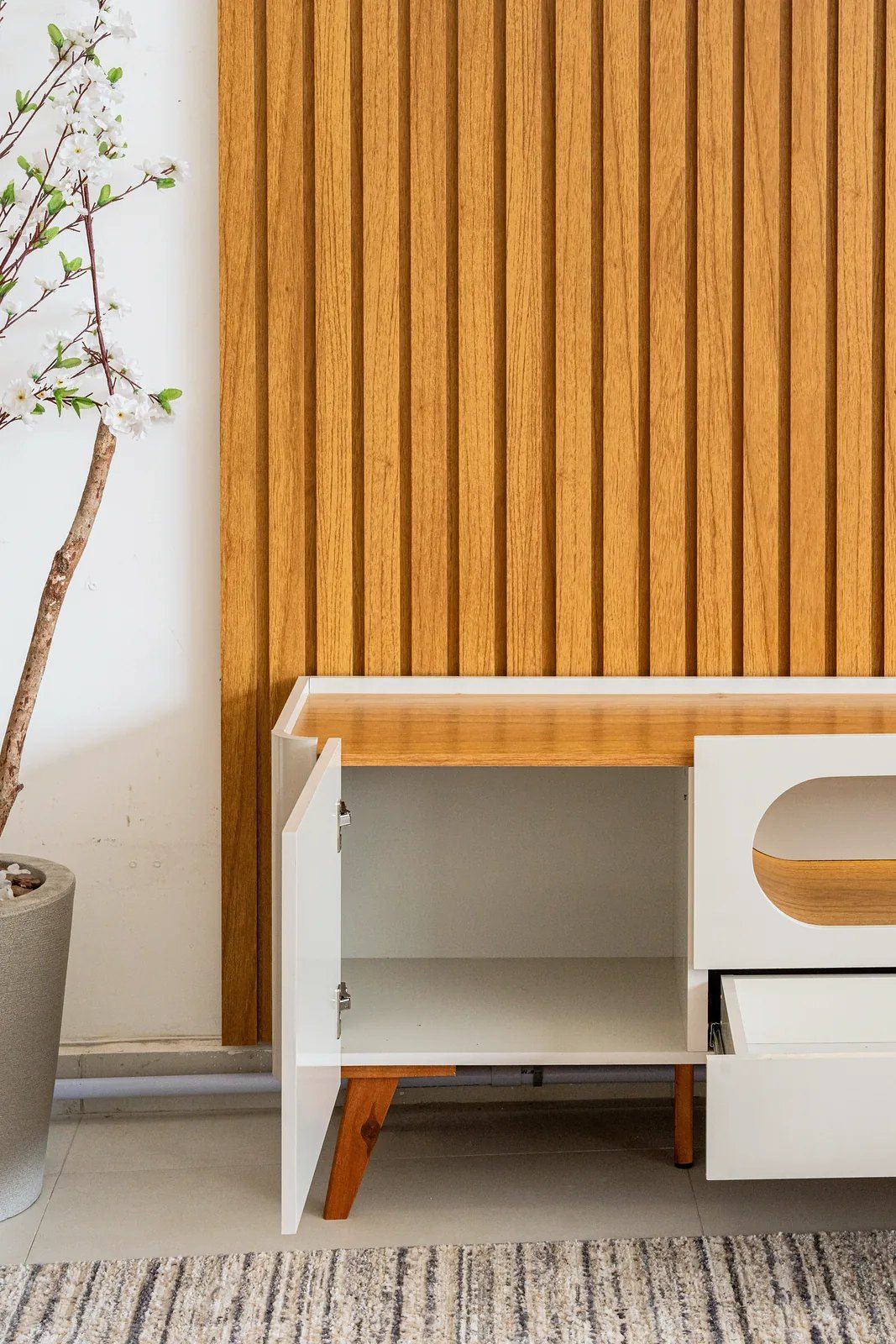
- On the TV unit, at one end, away from the TV. Pothos looks lovely trailing down the side. How much top is left on each side is covered in the TV unit guide.
- On the sideboard in the entryway. The entryway tends to be the darkest spot in an apartment: snake plant and ZZ plant are the candidates. See the guide to the sideboard in the entryway.
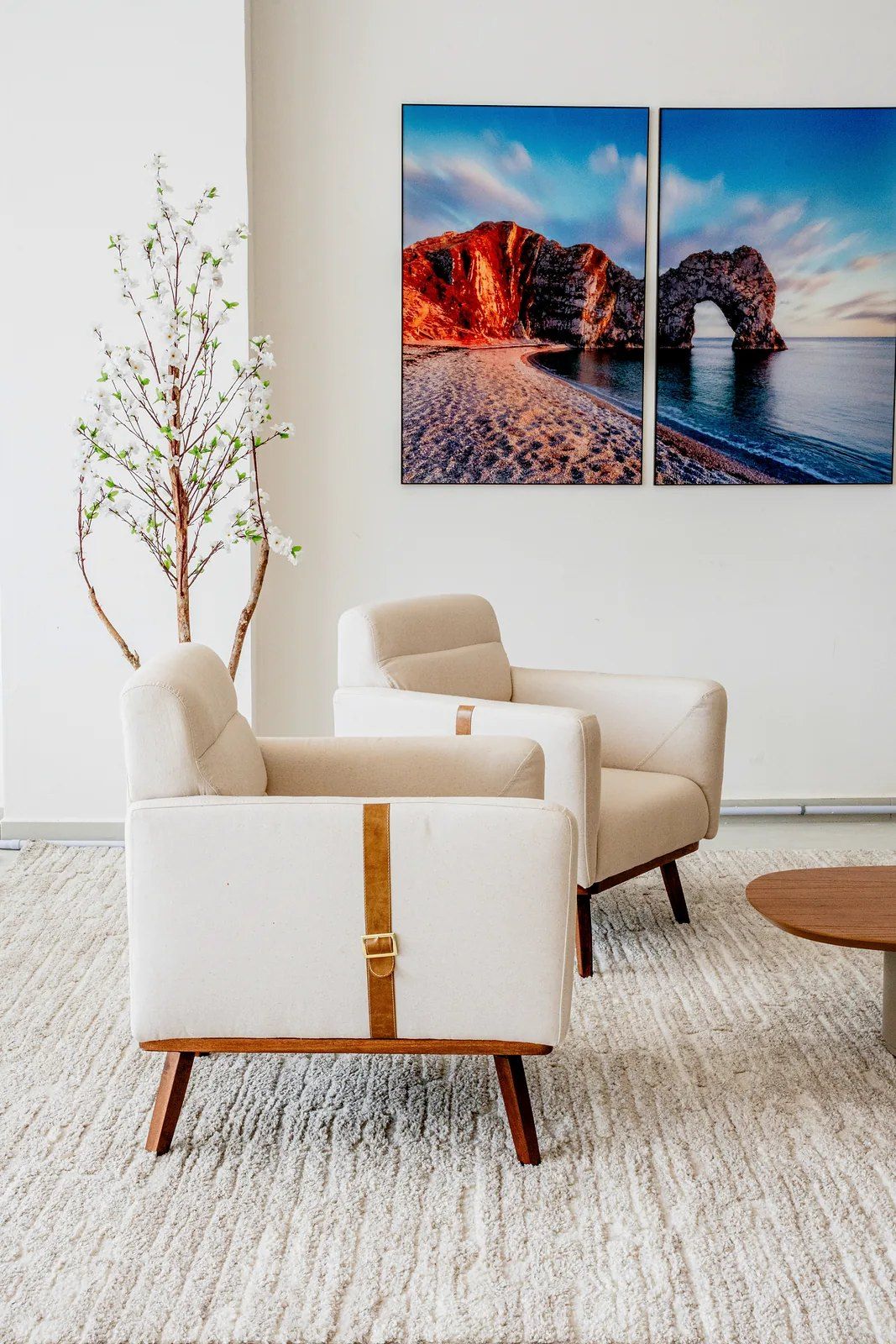
- Beside the reading armchair, on the side opposite the lamp. The reading armchair guide shows where the light goes.
A mirror in the living room facing the window sends part of the daylight back to the far end of the room, and the plant is grateful. On wood and MDF, always use a saucer under the pot, with felt or cork beneath it: both materials react to water, as I explain in the guide to solid wood or MDF.
What about homes with a dog, a cat or a small child?
Here is the catch with low-light plants. The ASPCA, the American animal welfare organization, lists golden pothos, snake plant and peace lily as toxic to dogs and cats. NC State rates the ZZ plant as medium toxicity for dogs and cats and records, in people, diarrhea and vomiting if the leaves are eaten in quantity.
On the same ASPCA list, lady palm and parlor palm appear as non-toxic to dogs and cats. In a home with a pet that chews leaves, I start with those. The guide to plants toxic to dogs, cats and children has the full table.
Mistakes I see with plants in low light
- Overwatering. With less light, the plant uses less water. There is more about watering in the guide to easy-care plants.
- Placing it where there is no window. Low light is still light.
- Moving the plant into the sun to make up for it. NC State records that direct sun scalds ZZ plant leaves, and the peace lily should not sit in the sun.
- Choosing a sun-loving species. Cacti, succulents and lavender want a sunny window.
Send a photo of the corner
At Lucy Home, at Avenida Presidente Kennedy, 3870, Aviação, Praia Grande, the team helps you plan the room at no cost. Message us on WhatsApp, send the floor plan or a photo of the living room showing where the window is, and we suggest the sofa, the TV unit and the sideboard that fit, with the spot for the plant already set aside. You can also browse the sofas, the TV units and the living room photos in the album.
Pieces mentioned in this article
- Ask about this model
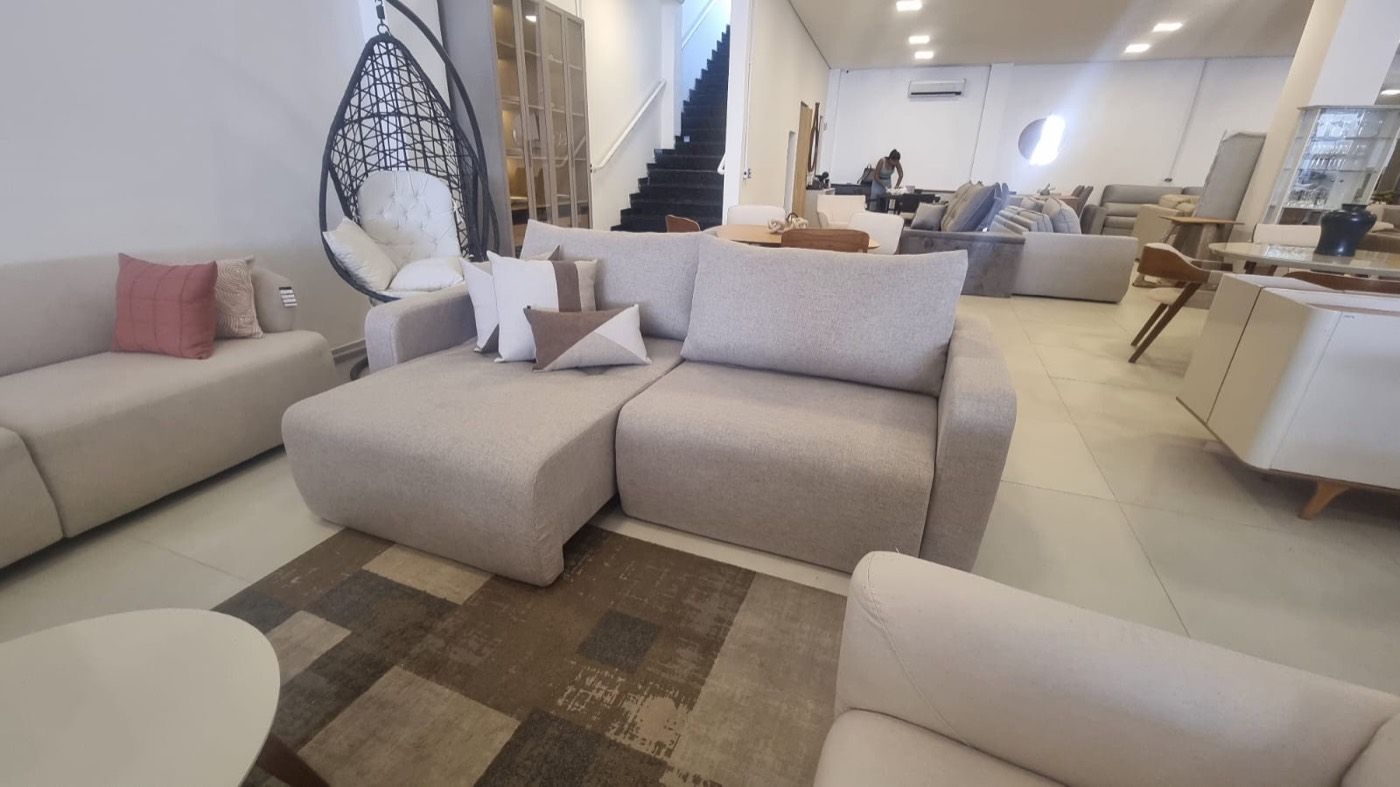
Zara sofa
- Ask about this model
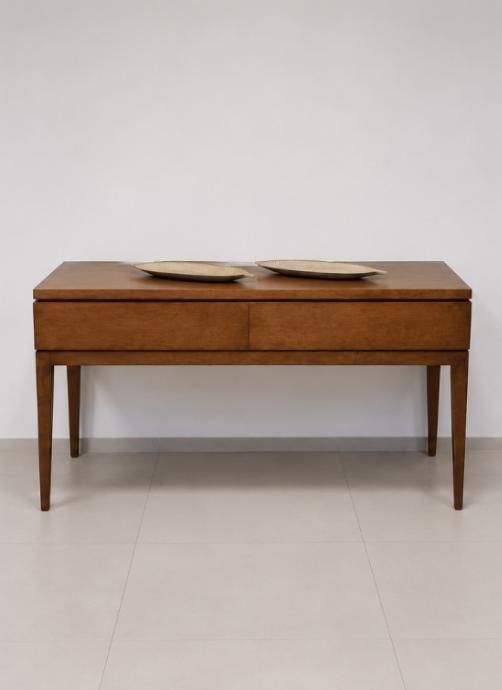
Linea console table
Presentation image of the model.
- Ask about this model
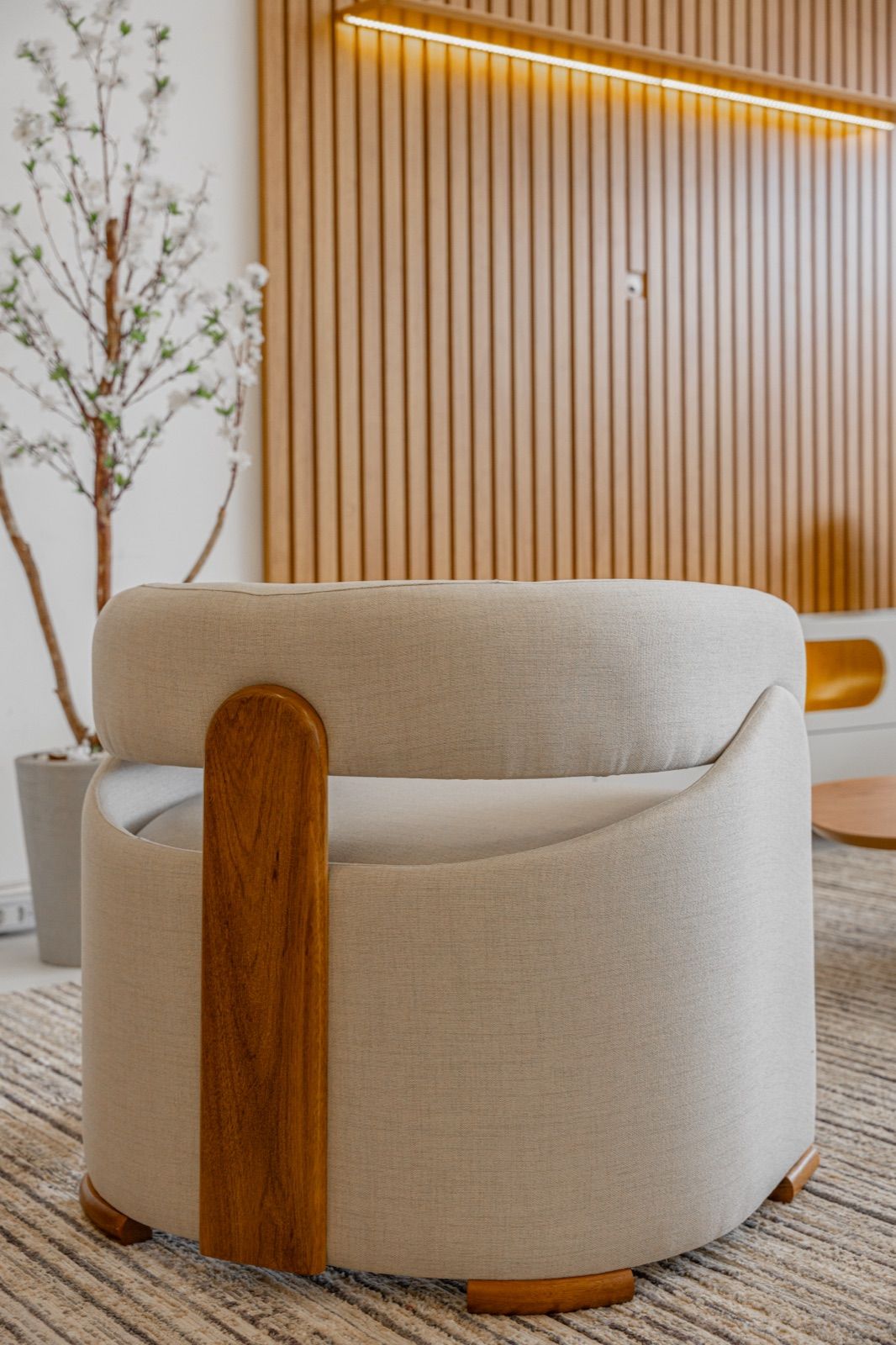
Raven armchair
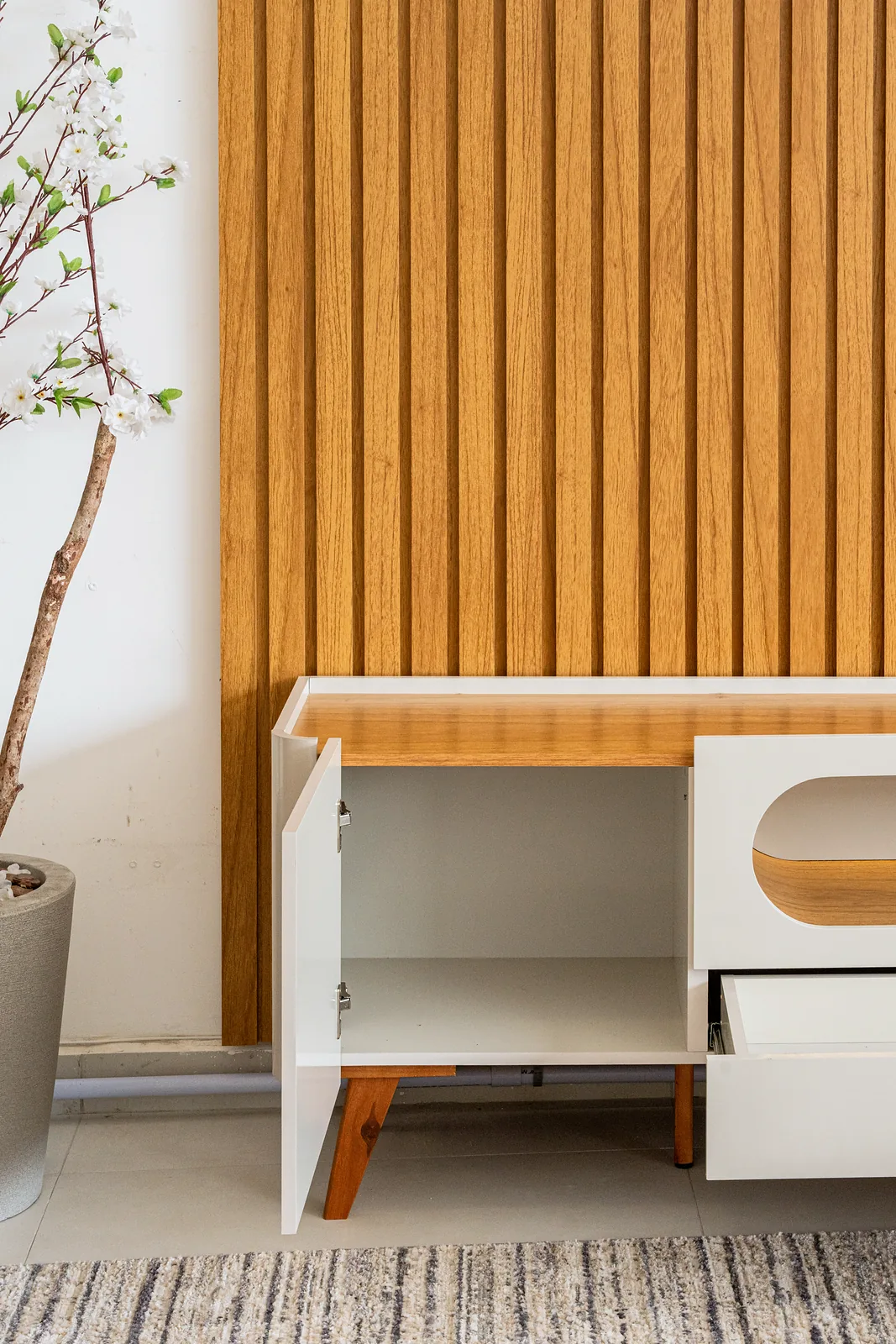
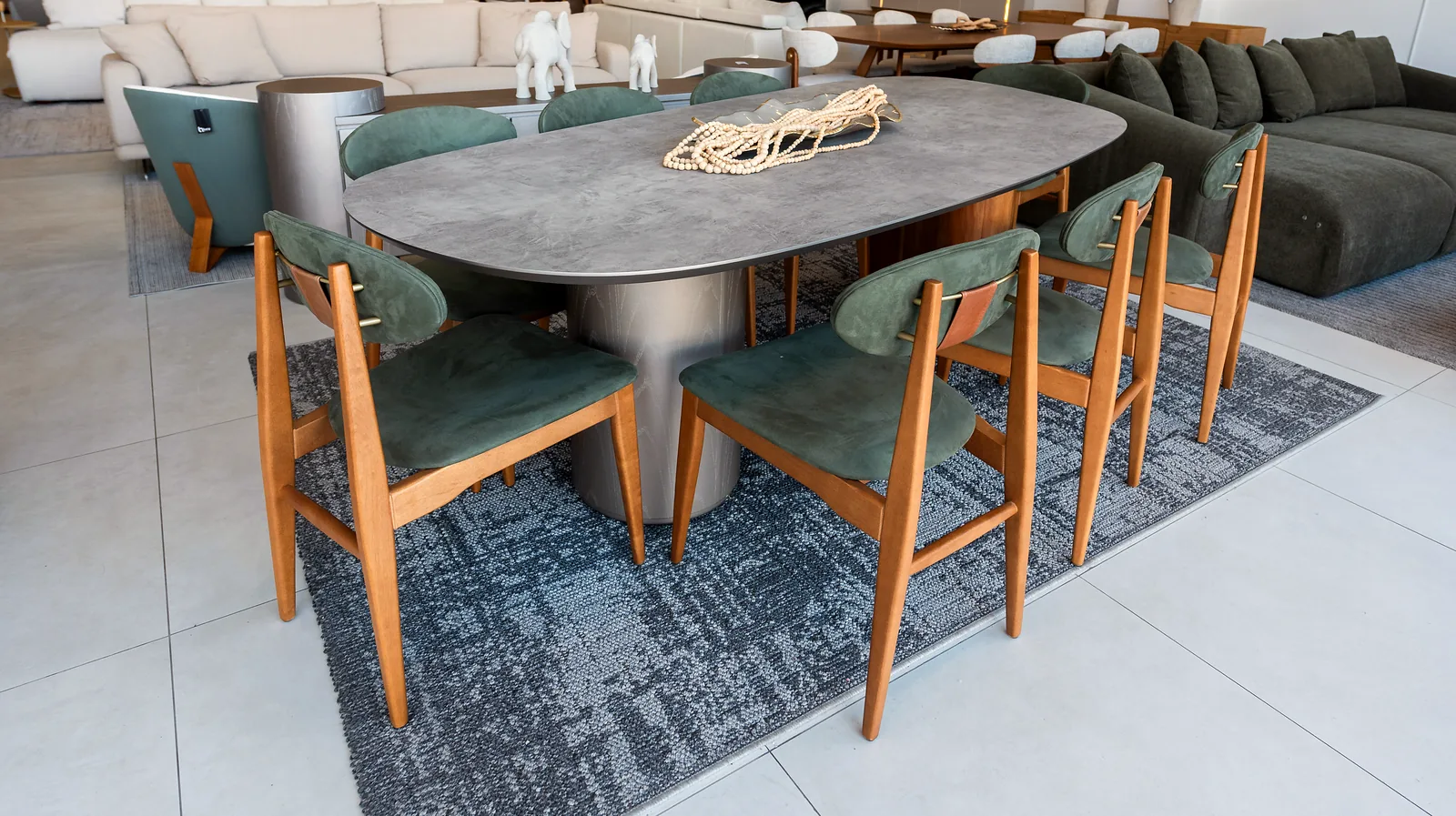
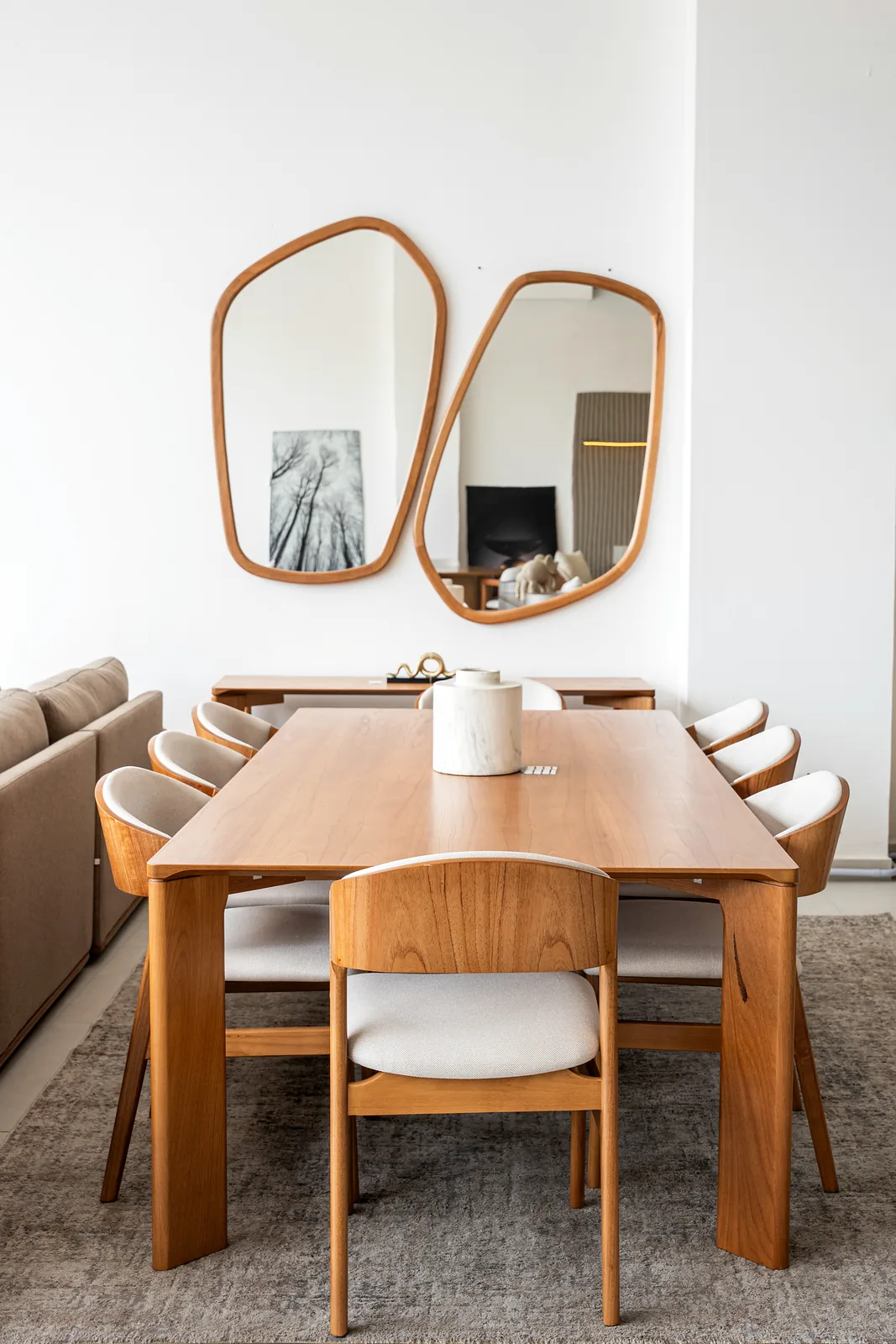
The furniture in this article, in Lucy Home photos
Frequently asked questions
Which plants live in a low-light apartment?
ZZ plant, golden pothos, snake plant, peace lily, lady palm and parlor palm. North Carolina State University Extension records that the ZZ plant and the peace lily tolerate deep shade and that pothos survives long periods in low light.
Is low light the same as no light?
No. According to Clemson University Extension, a low-light plant sits a few feet from a window with weak sun, and insufficient light results in poor growth. A closed hallway or a windowless bathroom does not work for a living plant.
Can a low-light plant stay far from the window?
It can stay away from it, as long as it can see it. I use a simple test: if you can read in that corner during the day without turning on a lamp, a low-light plant usually holds up there.
Are low-light plants safe for dogs and cats?
Not all of them. The ASPCA lists golden pothos, snake plant and peace lily as toxic to dogs and cats, and North Carolina State University rates the ZZ plant as medium toxicity. Lady palm and parlor palm appear as non-toxic on the ASPCA list.
Does Lucy Home sell plants?
No. Lucy Home sells furniture: sofas, tables, chairs, armchairs, TV units, buffets, sideboards, mirrors and wardrobes. The team helps you plan the room at no cost and shows where the plant fits in relation to the furniture.
Sources
- Clemson Cooperative Extension, HGIC 1450: Indoor Plants, Cleaning, Fertilizing, Containers & Light Requirements
- NC State Extension Plant Toolbox, Zamioculcas zamiifolia
- NC State Extension Plant Toolbox, Epipremnum aureum
- NC State Extension Plant Toolbox, Dracaena trifasciata
- NC State Extension Plant Toolbox, Spathiphyllum
- NC State Extension Plant Toolbox, Rhapis excelsa
- ASPCA, Toxic and Non-Toxic Plants: Golden Pothos
- ASPCA, Toxic and Non-Toxic Plants: Snake Plant
- ASPCA, Toxic and Non-Toxic Plants: Peace Lily
- ASPCA, Toxic and Non-Toxic Plants: Parlor Palm